

Economy
Fitch Returns Nigeria’s Outlook to Stable, Forecasts 2% GDP Growth

**Says Inflation to Remain at Double Digits through 2019
**Debt to Hits 292% of Revenue
**Buhari Expected to Continue Economic Programme if Re-elected
By Dipo Olowookere
The outlook on Nigeria’s Long-Term Foreign-Currency Issuer Default Rating (IDR) has been reviewed upward to stable nearly six months after it was dropped to negative by Fitch Ratings.
In a statement dated November 2, 2018, the global rating agency said it also affirmed its rating on Nigeria at ‘B+’.
According to Fitch, the revision of the outlook on Nigeria’s Long-Term IDRs reflects the ongoing economic recovery and decreasing external vulnerabilities, both supported by increased oil production and higher global oil prices.
It noted that despite setbacks, the Nigerian economy is continuing its slow recovery from the recession that ended in early 2017.
Fitch pointed out that non-oil growth has been supported by an increase in the supply of foreign exchange and will receive an additional boost as the government begins its delayed implementation of the 2018 capital budget.
“Political uncertainty ahead of the general election scheduled for February 2019 may lead to some weakening in growth, but we expect any disruption to be short-lived,” the statement obtained by Business Post said.
It added that the contribution of the oil sector has been positive in the first half of 2018 as oil production, including condensates, has averaged just below 2.1 million barrels per day (mbpd), compared with 1.9 mbpd in 2017.
Fitch said it expects average production of crude oil in Nigeria to remain around 2.1 mbpd through 2018 and 1H19.
Fitch is forecasting a GDP growth of 2 percent overall in 2018, increasing to 2.5 percent in 2019 and 3.3 percent in 2020, and the agency expects that Nigeria’s medium-term growth will average around 4 percent.
It noted that oil production will increase as new exploration and oil infrastructure projects begin to come online, but emphasised that Nigeria will struggle to raise production to the levels envisaged in the 2019-2021 Medium Term Expenditure Framework (MTEF).
Fitch said high inflation has been a rating weakness, but CPI growth slowed to 11.3 percent year-on-year in September 2018, down from a recent peak of 18.7 percent in January 2017.
Inflation fell rapidly in 1Q18, but disinflation has slowed since, as base effects fade and conflicts between herders and farmers affect food supplies.
Fitch said it expects that annual average inflation will fall, but remain in the double digits through 2019.
“Despite falling inflation, Fitch expects that the Central Bank of Nigeria (CBN) will move towards tighter monetary policy to support FX rate stability,” the firm said.
The CBN has kept the monetary policy rate at 14 percent since May 2016, but has conducted monetary policy through its sales of Open Market Operation bills and by managing the reserve ratio.
Foreign currency availability has improved although Fitch believes that it remains a constraint on economic growth. The CBN continues to operate an FX regime with multiple windows and exchange rates, which will not change before the general elections. However, the wholesale interbank FX rate has depreciated, bringing it closer to the rate at the Investors and Exporters window.
Nigeria has increased its stock of international reserves to $44.6 billion (7.2 months of current external payments) as of September 2018, from $37.9 billion at end-2017.
The accumulation of reserves has been a function of both an increase in oil export receipts and an increase in inflow of foreign investments.
The rating agency said Nigeria’s external flows are exposed to global risk sentiments as well as to investor’s views on the country’s political and fiscal developments. However, the build-up of reserves provides a substantial external buffer.
“Nigeria’s ‘B+’ IDRs also reflect the country’s position as Africa’s largest economy and its well-developed domestic debt markets, balanced against low levels of domestic revenue mobilisation and of GDP per capita, a high level of hydrocarbon dependence, and low rankings on governance and business environment indicators.
“Nigeria continues to run persistent fiscal deficits at both the central and general government levels. Fitch forecasts a general government deficit of 4.3 percent of GDP in 2018, approximately the same as 2017.
“The government’s 2019-2022 Medium Term Expenditure Framework envisages a decrease in expenditure following three straight years of increasing capital expenditure. Lower expenditure, as a percentage of GDP, will help the general government fiscal deficit to narrow to 4 percent of GDP in 2019, but the government will continue to experience difficulty in raising non-oil domestic revenue.
“Oil revenue has increased since hitting bottom in 2016, but volatile production levels and inefficiencies within the petroleum sector have limited the transmission of higher oil prices to higher government revenue,” the statement said.
It added that Nigeria’s general government debt will rise to 292 percent of revenue, well above the historical ‘B’ median of 205 percent of revenue, reflecting the accumulation of new debt and the lack of progress on raising government revenue.
At 20 percent of general government revenue, interest payments are already more than twice the ‘B’ median. Federal government interest expenditure to federal government revenue stands much higher at just below 60 percent, the company stated.
“Fitch forecasts Nigeria’s current account (CA) surplus to widen to 3.6 percent of GDP in 2018 as oil export receipts have grown thanks to high oil prices. The CA surplus will narrow in subsequent years as import growth increases following several years of import compression related to tight foreign exchange supply. Nigeria is a net external creditor equivalent to 12 percent of GDP in 2018.
Fitch considers that the easing of foreign-currency liquidity has reduced risks regarding Nigerian banks’ ability to meet dollar liabilities and external debt repayments. However, economic headwinds have continued to affect asset quality.
“Average industry NPLs (according to CBN data) increased to 15 percent at end-2017, reflecting the lag affect from 2015. NPLs are concentrated in the oil and gas sector. The ongoing economic recovery, higher oil prices and widespread loan restructuring is likely to moderately help asset quality, but high NPLs will weigh on private sector credit provision.
“Credit to the private sector returned to modest positive growth in 2018 after tight domestic liquidity and crowding out from government borrowing led to a contraction of 5 percent through November 2017,” the firm said.
It was stressed that the outcome of the upcoming general elections remains uncertain. President Buhari will face a strong challenge from former Vice President Atiku Abubakar, who won the October 2018 primary to be the People’s Democratic Party candidate. Abubakar has made limited statements regarding his economic policy platform, but has criticised the current FX regime and has also signalled his support for devolving more control over public finances to the state governments.
“If Buhari is re-elected, we expect his government to continue implementing the economic programme outlined in the Economic Recovery and Growth Plan released in March 2017.
“Fitch does not expect widespread disruption or instability around the election. However, a flare-up of violence in the Niger Delta around the elections presents downside risk to the fiscal, external and GDP growth forecasts,” the rating agency stated.




Nigeria’s business environment continues to evolve rapidly, presenting both opportunities and challenges for entrepreneurs. In recent years, digital transformation has become a cornerstone for growth, with businesses across various sectors embracing new technologies to remain competitive. For those looking to thrive in this dynamic landscape, understanding market trends and leveraging innovative strategies is crucial.
Whether it’s a startup or an established enterprise, success often hinges on adaptability, strategic planning, and the ability to seize emerging opportunities. Even in sectors like entertainment and sports, where trends shift quickly, businesses must stay agile to maintain relevance. For instance, some entrepreneurs are exploring new revenue streams such as online platforms, including activities like แทงบอล ufabet, which have gained popularity due to their accessibility and appeal to a broad audience.
The Nigerian Business Landscape in 2025
The Nigerian business landscape in 2025 is marked by rapid technological adoption, increased competition, and a growing demand for digital solutions. Sectors such as fintech, e-commerce, and digital marketing have seen significant growth, driven by a young, tech-savvy population. Entrepreneurs are now leveraging digital tools to streamline operations, reach wider audiences, and improve customer engagement. The government’s push for economic diversification has also created new opportunities in agriculture, manufacturing, and renewable energy. However, businesses must navigate challenges such as regulatory hurdles, infrastructure gaps, and fluctuating market conditions. Despite these obstacles, the resilience and creativity of Nigerian entrepreneurs continue to drive innovation and growth.
Why Strategic Planning is Essential
Strategic planning is the foundation of any successful business. It involves setting clear goals, identifying resources, and developing actionable steps to achieve objectives. In Nigeria’s competitive market, businesses that invest time in strategic planning are better equipped to anticipate challenges, capitalize on opportunities, and adapt to changing circumstances. Effective planning also helps businesses allocate resources efficiently, minimize risks, and maximize returns. Entrepreneurs should regularly review and update their strategies to stay aligned with market trends and customer needs. By doing so, they can maintain a competitive edge and position their businesses for long-term success.
Leveraging Digital Tools for Growth
Digital tools have revolutionized the way businesses operate in Nigeria. From cloud-based software to social media platforms, these tools enable businesses to automate processes, enhance communication, and reach a global audience. For example, e-commerce platforms allow businesses to sell products online, while digital marketing tools help them target specific customer segments and measure campaign effectiveness. Additionally, mobile payment solutions have made transactions faster and more secure, improving customer satisfaction. By embracing digital transformation, businesses can increase efficiency, reduce costs, and expand their market reach.
Building a Strong Team Culture
A strong team culture is vital for business success. It fosters collaboration, boosts morale, and drives innovation. Nigerian entrepreneurs should prioritize creating a positive work environment where employees feel valued and motivated. This can be achieved by promoting open communication, recognizing achievements, and providing opportunities for professional development. A cohesive team is more likely to overcome challenges, generate creative solutions, and contribute to the overall growth of the business. Investing in team-building activities and leadership training can further strengthen the organizational culture.
Overcoming Common Challenges
Nigerian businesses face a range of challenges, including access to finance, regulatory compliance, and competition. Access to capital remains a major hurdle for many entrepreneurs, particularly startups and small businesses. Regulatory compliance can also be complex and time-consuming, requiring businesses to stay informed about changing laws and policies. Additionally, intense competition in key sectors can make it difficult for businesses to differentiate themselves. To overcome these challenges, entrepreneurs should seek support from government agencies, industry associations, and financial institutions. Building strong networks and partnerships can also provide valuable resources and guidance.
Adapting to Market Trends
Adapting to market trends is essential for staying relevant in Nigeria’s fast-paced business environment. Entrepreneurs must stay informed about emerging trends, consumer preferences, and technological advancements. This can be achieved by conducting market research, attending industry events, and monitoring competitor activities. By anticipating changes and responding proactively, businesses can seize new opportunities and mitigate potential risks. For example, the growing demand for sustainable products and services presents opportunities for businesses to innovate and differentiate themselves.
Importance of Financial Management
Effective financial management is critical for business sustainability and growth. It involves budgeting, cash flow management, and financial reporting. Nigerian entrepreneurs should prioritize financial literacy and seek professional advice when needed. Proper financial management enables businesses to track performance, make informed decisions, and secure funding. It also helps businesses comply with regulatory requirements and build trust with stakeholders. By maintaining sound financial practices, entrepreneurs can ensure the long-term viability of their businesses.
Future Outlook for Nigerian Entrepreneurs
The future outlook for Nigerian entrepreneurs is promising, with continued growth expected in key sectors such as technology, agriculture, and renewable energy. The government’s focus on economic diversification and infrastructure development is likely to create new opportunities for businesses. Additionally, the rise of digital platforms and e-commerce is expected to drive innovation and expand market reach. Entrepreneurs who embrace change, invest in digital transformation, and prioritize strategic planning are well-positioned to succeed in Nigeria’s evolving business landscape.

By Adedapo Adesanya
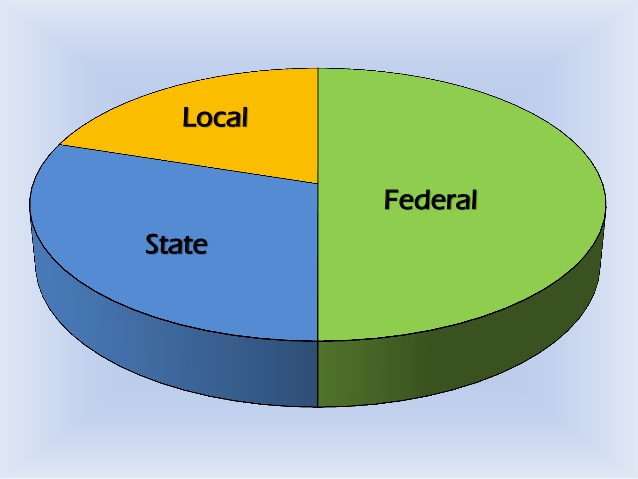
The federal government, states and the Local Government Councils have received a sum of N1.928 trillion from the revenue generated in November 2025 by the federation.
According to a statement by the Federation Account Allocation Committee (FAAC), the earnings were shared at the December 2025 FAAC meeting held in Abuja, where the total distributable revenue comprised statutory revenue of N1.403 trillion, Value Added Tax (VAT) revenue of N485.838 billion, and Electronic Money Transfer Levy (EMTL) revenue of N39.646 billion.
It was disclosed that total gross revenue of N2.343 trillion was available in the month of November 2025, with N84.251 billion deducted for cost of collection and N330.625 billion for total transfers, interventions, refunds and savings.
FAAC stated that gross statutory revenue of N1.736 trillion was received for the month of November 2025, lower than the N2.164 trillion received in the month of October 2025 by N427.969 billion.
Gross revenue of N563. 042 billion was available from VAT in November 2025, lower than the N719.827 billion available in the month of October 2025 by N156.785 billion.
In November 2025, Excise Duty increased moderately while Petroleum Profit Tax (PPT), Hydrocarbon Tax (HT), CIT on Upstream Activities, Companies Income Tax (CIT), CGT and SDT, Oil & Gas Royalties, Import Duty, CET Levies, Value Added Tax (VAT), Electronic Money Transfer Levy (EMTL) and Fees recorded substantial decreases.
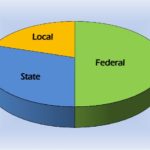
From the N1.928 trillion total distributable revenue, the federal government got N747.159 billion, the state governments received N601.731 billion, and the local councils shared N445.266 billion, while N134.355 billion was given to benefiting states as 13 per cent of mineral derivation.
On the N1.403 trillion distributable statutory revenue, the national government received N668.336 billion, the 36 states got N338.989 billion, and the LGAs received N261.346 billion, and N134.355 billion shared as 13 per cent of mineral revenue.
In addition, from the N485.838 billion distributable VAT revenue, the central government got N72.876 billion, the state governments shared N242.919 billion, and the local councils shared N170.043 billion.
Further, N5.947 billion was taken by the federal government from the N39.646 billion EMTL, the states shared N19.823 billion, and the councils received N13.876 billion.

By Adedapo Adesanya
The duo of Golden Capital Plc and FrieslandCampina Wamco Nigeria Plc weakened the NASD Over-the-Counter (OTC) Securities Exchange by 0.04 per cent on Monday, December 15.
This pulled down the NASD Unlisted Security Index (NSI) by 1.37 points to 3,599.06 points from last Friday’s 3,600.43 points and the market capitalisation lost N820 million to close at N2.153 billion compared with the preceding session’s N2.154 trillion.
Golden Capital Plc depleted by 94 Kobo to end at N8.51 per share compared with N9.45 per share and FrieslandCampina Wamco Nigeria Plc depreciated by 63 Kobo to sell at N59.60 per unit versus N60.23 per unit.
During the session, the volume of securities traded at the session slumped by 98.4 per cent to 600,402 units from 37.4 million units, the value of securities fell by 99.8 per cent to N7.8 million from N4.9 billion, and the number of deals shed 36.4 per cent to 21 deals from 33 deals.
At the close of trades, Infrastructure Credit Guarantee Company (InfraCredit) Plc remained the most traded stock by value with a year-to-date sale of 5.8 billion units valued at N16.4 billion, followed by Okitipupa Plc with 178.9 million units transacted for N9.5 billion, and MRS Oil Plc with 36.1 million units worth N4.9 billion.
InfraCredit Plc was also the most traded stock by volume on a year-to-date basis with 5.8 billion units worth N16.4 billion, trailed by Industrial and General Insurance (IGI) Plc with the sale of 1.2 billion units for N420.3 million, and Impresit Bakolori Plc with 537.0 million units traded for N524.9 million.










-
 Feature/OPED6 years ago
Davos was Different this year
-
Travel/Tourism9 years ago
Lagos Seals Western Lodge Hotel In Ikorodu
-

 Showbiz3 years ago
Estranged Lover Releases Videos of Empress Njamah Bathing
-
 Banking7 years ago
Sort Codes of GTBank Branches in Nigeria
-

 Economy3 years ago
Subsidy Removal: CNG at N130 Per Litre Cheaper Than Petrol—IPMAN
-

 Banking3 years ago
First Bank Announces Planned Downtime
-

 Banking3 years ago
Sort Codes of UBA Branches in Nigeria
-

 Sports3 years ago
Highest Paid Nigerian Footballer – How Much Do Nigerian Footballers Earn