

Economy
Investors Protest Delay in Oando Forensic Audit, Say ‘SEC Acting DG Compromised’

By Dipo Olowookere
Despite promising to commence the much-awaited forensic audit of Oando Plc, the Securities and Exchange Commission (SEC) is yet to begin the exercise.
This is already making investors in the capital market, especially shareholders of the energy company to question what was causing the delay.
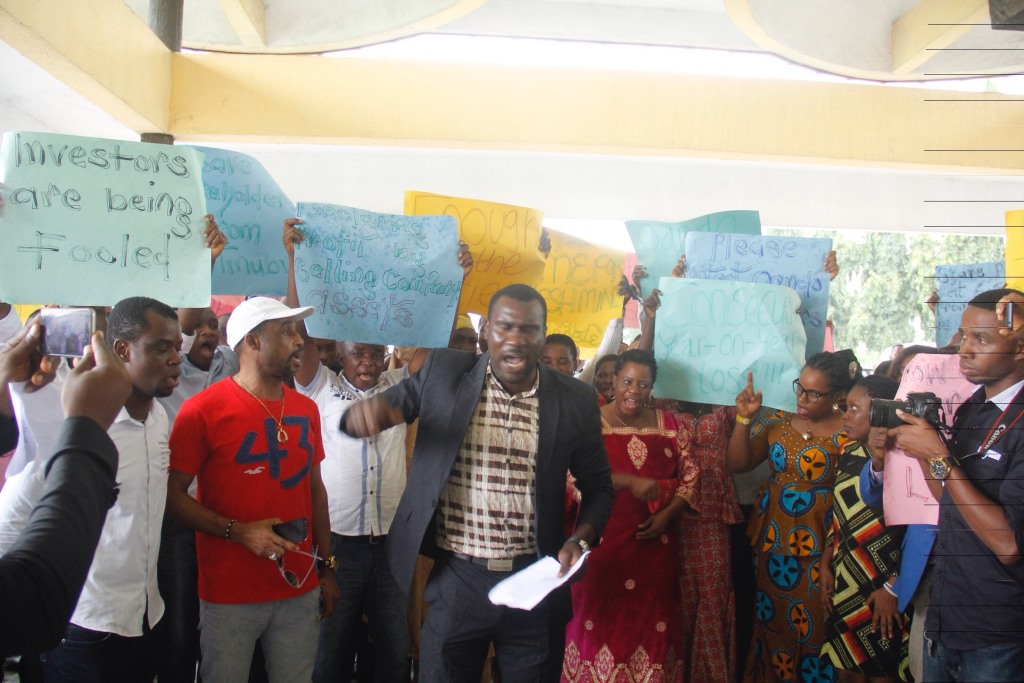
Yesterday, some shareholders of the firm under the aegis of Proactive Shareholders Association of Nigeria (PSAN) and Trusted Shareholders’ Association (TSA) staged a protest in Abuja, asking the apex capital market regulator to immediately kick off the audit.
The aggrieved investors called for the immediate suspension of the management of Oando so as to allow an unhindered process.
On October 18, 2017 SEC ordered a forensic audit of Oando after a panel it set up found Oando guilty of allegations made in petitions filed by two shareholders of the firms, Mr Dahiru Mangal and Ansbury Incorporated.
However, the forensic audit was challenged by Oando at a Federal High Court sitting in Lagos and the court told Oando to take the matter to the Investment and Securities Tribunal (IST), a special court established to entertain capital market disputes.
While the matter was on, Mr Mounir Gwarzo was suspended as the Director General of SEC in November by the Minister of Finance, Mrs Kemi Adeosun.
Mr Gwarzo alleged that he was removed from the office because he refused to stop the forensic audit, a claim the Minister refuted.
The former DG was later replaced by Mr Abdul Zubair, who promised that the audit would go on as planned.
However, months after he assumed office, the forensic audit was yet to commence and shareholders of Oando are already losing their patience.
During Wednesday’s demonstration in Abuja, the investors said SEC must start the exercise so as to protect the image of the nation’s capital market.
“We cannot allow regulatory infractions to go unpunished; we cannot allow financial mismanagement to go scot-free.
“We can’t understand now why SEC, with the active connivance of the Minister of Finance, are trying to truncate the process.
“They keep on telling us that the forensic audit is still ongoing, that they still agree with it but nothing is happening. Nothing tangible has been followed up, there is nothing taking place,” Mr Mukhtar Mukhtar, Chairman of the TSA said.
He said it was time for the management of Oando Plc to go because they had spent nearly two decades in office.
He also claimed the management had appropriated some of the company’s subsidiaries, both upstream and downstream for themselves and their cronies at prices based on their estimations.
On his part, National Coordinator of PSAN, Mr Oderinde Taiwo, said Oando was “exposed to both local and foreign loans worth about N779 billion on which an interest of N15 billion was paid”.
According to him, it was “a show of the level of recklessness of the organisation.”
“We bought the last right issue they did at N98 and the right issue listed before the suspension stood at N4.95.
“When you see such a change you know that there are a lot of problems. Many of the shareholders have died with Oando doing all these things, they have killed some people directly or indirectly.
“We have come to the National Assembly because we discovered that the SEC under the present acting director general has been compromised. The man does not act confidently again, they are not forthcoming, they are just dodging.
“Let the CEO of Oando and his management team be suspended so the forensic audit can go unhindered, you can’t do a forensic audit without suspending the management of the company,” he said.










By Adedapo Adesanya
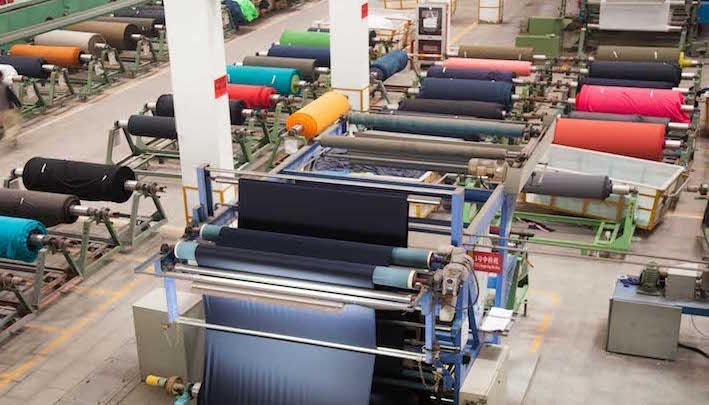
The Centre for the Promotion of Private Enterprise (CPPE) has cautioned against the Senate’s resolution seeking to ban the importation of textile fabrics, warning that such a move could be counterintuitive as it would undermine key industries, threaten millions of jobs and fail to revive Nigeria’s struggling textile sector.
According to the chief executive of the think-tank, Mr Muda Yusuf, while the objective of revitalising the textile industry was commendable, an outright import prohibition would likely create more economic challenges than solutions.
The Senate had urged the federal government to implement an import ban for an initial period of five years. The motion, sponsored by Senator Sunday Katung, is to create a protected window for domestic cotton farmers and local textile mills to scale up production.
Mr Yusuf noted that the import ban wasn’t the major driving force behind the country’s ailing textile sector, adding that it was driven mainly by structural constraints such as high energy costs, poor infrastructure, expensive credit and obsolete technology.
Other factors, he said, driving the decline of the sector included logistics bottlenecks, smuggling and policy inconsistency, rather than import competition.
According to him, restricting textile imports will disrupt production across the country’s garment, fashion, tailoring, furniture and interior design industries, which depend heavily on imported fabrics as production inputs.
He said that Nigeria’s fashion, garment-making and tailoring industry, valued at about N10 trillion, supported an estimated 10 million livelihoods and represented one of the country’s most vibrant creative economy sectors.
He further stated that the sector generates significant domestic value addition through design, tailoring, branding, embroidery, merchandising and retailing, often exceeding the value of the imported textile inputs.
“Restricting textile imports would increase production costs, reduce consumer choice and threaten thousands of micro, small and medium enterprises engaged in fashion, tailoring and garment manufacturing,” he said.
Mr Yusuf added that textile fabrics were also critical inputs for the furniture and interior design industry, valued at about N7 trillion, warning that supply disruptions would weaken the competitiveness of manufacturers.
He further noted that imported textile fabrics already attracted a combined Import Duty and Import Adjustment Tax of between 35 per cent and 45 per cent, yet the existing tariff protection had not restored the competitiveness of local textile manufacturers.
“The core problem lies in production economics rather than import penetration. An import ban addresses the symptom while leaving the underlying causes unresolved,” he said.
Mr Yusuf also maintained that local textile manufacturers currently lacked the capacity to meet the quantity, quality and diversity of fabrics required by the country’s fashion, garment, furniture and interior design industries.
He warned that an outright import ban could therefore create supply shortages and negatively affect downstream sectors that generated significantly more employment than textile manufacturing itself.
The CPPE boss advocated a comprehensive value-chain strategy to revive the textile industry and called for the restoration of domestic cotton production through improved security, mechanisation, better seedlings, extension services and guaranteed off-take arrangements.
He also stressed the need for affordable long-term financing, access to modern technology, a reliable energy supply and a more competitive operating environment for manufacturers.
Among other recommendations, Yusuf urged the government to prioritise locally produced textiles and garments for uniforms used by the military, paramilitary agencies, schools and other public institutions.
He also recommended the establishment of a Textile Competitiveness Fund financed from textile-related import tax revenues to support technology upgrades and industry modernisation.
Other measures proposed include strengthening border enforcement to curb smuggling and implementing reforms aimed at reducing energy and financing costs while improving industrial infrastructure.
Mr Yusuf stressed that sustainable revival of Nigeria’s textile industry would depend on improving competitiveness rather than imposing additional import restrictions.
He warned that a blanket import ban could encourage smuggling, reduce customs revenue and weaken a broader value chain that contributed substantially to employment and economic growth.
By Adedapo Adesanya
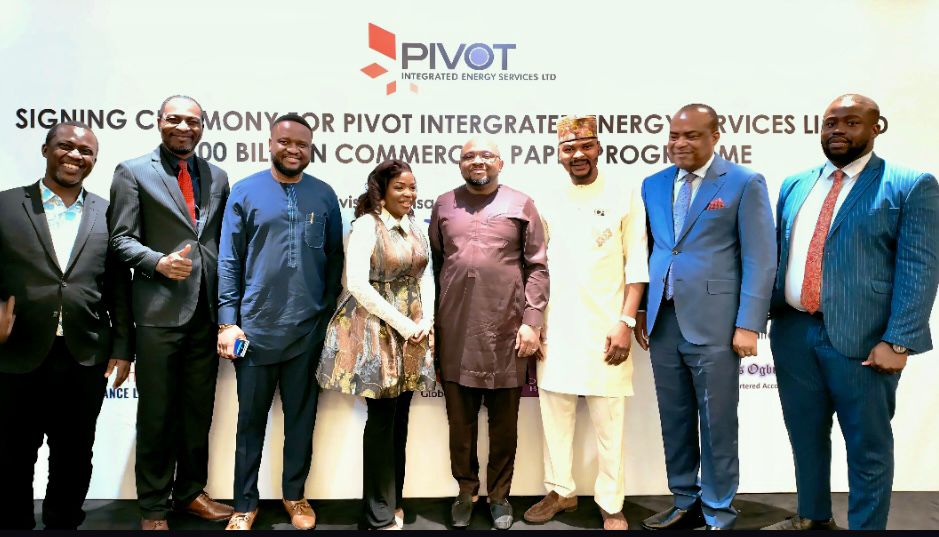
Pathway Advisors Limited has announced its role as Lead Issuing House to a N300 billion Commercial Paper Programme for Pivot Integrated Energy Services Limited, reinforcing its leadership in capital market advisory and energy sector finance.
The transaction was formally concluded with the execution of programme documentation at Capital Club, Victoria Island, Lagos, following the completion of all regulatory and programme clearances. The signing ceremony marked a defining milestone in mobilising large-scale short-term capital for Nigeria’s downstream petroleum sector.
Speaking at the event, the chief executive of Pathway Advisors Limited, Mr Adekunle Alade, emphasised the strategic significance of the Commercial Paper issuance in financing working capital, thereby enabling high-growth energy businesses to scale efficiently and sustainably.
“Nigeria’s downstream energy sector is undergoing a profound transformation, accelerated by the removal of fuel subsidies, the emergence of domestic refining capacity, and rising demand for reliable product supply across the country and the broader West African region.
“Companies like Pivot Integrated Energy Services Limited with a vertically integrated model, a strong track record, and a clear growth mandate are exactly the kind of issuers that the capital markets should be financing,” Mr Alade stated.
“Commercial paper, when structured appropriately, gives operationally strong businesses access to a deep and diverse pool of institutional investors, at tenors and costs that support the working capital intensity of petroleum trading and distribution. This transaction is a testament to what is achievable when credible issuers partner with experienced advisers to access the markets,” he added.
“The successful execution of this programme further affirms Pathway Advisors’ position as a trusted financial advisory and investment banking firm in complex, large-scale capital market transactions,” he stated.
In his comments, the chief executive of Pivot Integrated Energy Services Limited, Mr Babajide Babatope, described the commercial paper programme as a pivotal step in the company’s strategy to expand its supply capacity and strengthen its position as a leading integrated energy provider in Nigeria and West Africa.
“Nigeria’s downstream energy market demands scale, speed, and the right capital structure to compete effectively. This commercial paper programme gives us the financial firepower to support our growing volumes, reinforce our supply chain, and serve our customers with greater reliability across the regions we operate in,” Mr Babatope disclosed.
He noted that Pivot is one of the 20 approved off-takers in the Dangote Refinery PMS Consortium, with a target volume of 300 million litres per quarter, a position that underscores the company’s standing in Nigeria’s post-subsidy energy supply architecture. He added that the CP Programme would also support the company’s accelerating regional push, including active operations in Ghana, where Pivot has delivered over 100,000 MT since April 2025, and a planned entry into Tanzania with deliveries targeted in Q3 of 2026.
Mr Babatope further expressed appreciation to Pathway Advisors and other transaction parties for their professionalism, rigour, and commitment throughout the programme’s execution, and signalled his intention to continue deepening these partnerships as Pivot advances to subsequent phases of growth and financing.

By Adedapo Adesanya
The Small and Medium Enterprises Development Agency of Nigeria (SMEDAN) has secured a $12 billion commitment from South Korea to establish a Skills Acquisition Centre in Abuja, as part of efforts to strengthen entrepreneurship and boost small businesses across Nigeria.
The chief executive of SMEDAN, Mr Charles Odii, disclosed this over the weekend during a road walk and sensitisation campaign at Utako Market in Abuja to commemorate the 2026 World MSME Day.
According to Mr Odii, the proposed facility will provide vocational and entrepreneurial training to young Nigerians and enhance the capacity of Micro, Small and Medium Enterprises (MSMEs).
He said the agency is awaiting the allocation of land by the Federal Capital Territory (FCT) Administration for the project.
“We need land in the FCT to build the Skills Acquisition Centre. If the FCT Administration is unable to provide one, we will use our office premises in Idu, Abuja, because we do not want Nigeria to miss this opportunity offered by the Korean Government to support skills and vocational training,” he said.
As part of activities marking the World MSME Day, Mr Odii also announced the launch of SMEDAN’s N500 million GROW Fund, a zero-interest financing intervention designed to support small businesses across the country.
He explained that the fund would be disbursed to members of registered cooperative societies and business associations to strengthen their enterprises.
According to him, beneficiaries are expected to utilise the funds strictly for business purposes, including expanding working capital, acquiring workspaces and purchasing equipment.
“The funding is meant to support and improve their businesses. It should be used for working capital, workspaces, tools and other productive business needs. Any use outside these objectives will not be encouraged,” he said.
Mr Odii further disclosed that entrepreneurs trained by SMEDAN in Abuja would receive vocational equipment, including washing machines, barbing kits, shoemaking tools and sewing machines, to enable them to become self-reliant.
“We have identified these tools as essential to the businesses of our trainees based on the skills programmes they have undergone,” he added.
The SMEDAN boss stressed that the agency’s interventions are driven by the critical role MSMEs play in Nigeria’s economy.
“Small businesses are the heartbeat of Nigeria’s economy. By providing infrastructure, skills and financing, we are creating an enabling environment for them to grow, thrive and contribute meaningfully to national development,” he said.
Odii also revealed that the National MSME Policy would be reviewed and relaunched in November 2026 to strengthen the sector and improve its contribution to economic growth.
He called on state governments to collaborate with SMEDAN in expanding skills acquisition programmes, creating jobs, reducing poverty and supporting the economic development agenda of President Bola Tinubu’s administration.

-
 Feature/OPED6 years ago
Davos was Different this year
-
Travel/Tourism10 years ago
Lagos Seals Western Lodge Hotel In Ikorodu
-

 Showbiz3 years ago
Estranged Lover Releases Videos of Empress Njamah Bathing
-
 Banking8 years ago
Sort Codes of GTBank Branches in Nigeria
-

 Economy3 years ago
Subsidy Removal: CNG at N130 Per Litre Cheaper Than Petrol—IPMAN
-

 Banking3 years ago
Sort Codes of UBA Branches in Nigeria
-

 Banking3 years ago
First Bank Announces Planned Downtime
-

 Sports3 years ago
Highest Paid Nigerian Footballer – How Much Do Nigerian Footballers Earn