
Economy
Moody’s Downgrades Dangote Cement Rating to B1

By Modupe Gbadeyanka
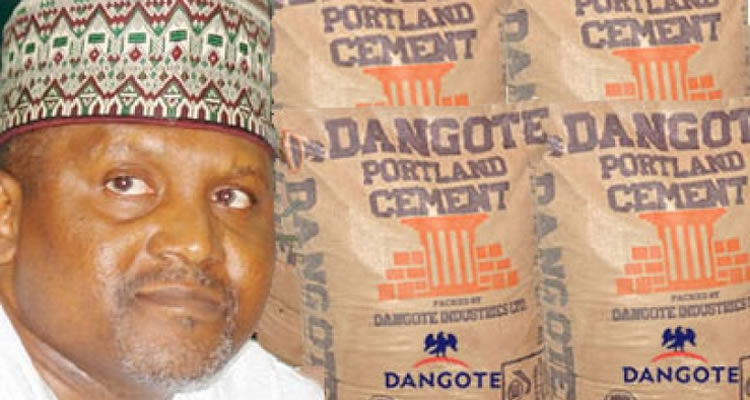
The corporate family rating (CFR) of Dangote Cement Plc has been downgraded by Moody’s Investors Service to B1 from Ba3.
A statement issued by Moody’s said Dangote Cement’s probability of default rating was downgraded to B1-PD from Ba3-PD, but said the firm’s national scale rating (NSR) remains unaffected at Aaa.ng with outlook on the ratings still stable.
Explaining the reason it downgraded the cement producer’s ratings, Moody’s said it was as a result of the downgrade of Nigeria’s rating to B2 from B1.
“We have downgraded Dangote Cement because it is not totally immune from Nigeria’s continuing economic challenges which the country’s government has been slow in responding to,” stated Douglas Rowlings, Vice President, Senior Analyst and lead analyst for Dangote Cement Plc at Moody’s.
“But Dangote Cement’s rating is one notch above the Nigerian sovereign’s to reflect its resilient and strong credit profile and management’s continuing success in navigating Nigeria’s tough operating environment,” added Mr Rowlings.
Dangote Cement’s B1 CFR, one notch above the Government of Nigeria’s B2 rating considers the company’s stronger intrinsic credit quality balanced against the meaningful linkage and limited ability to withstand stress at the Nigerian sovereign or macroeconomic level.
The CFR also reflects the track record of demonstrated financial support from a larger and more diversified parent, Dangote Industries Limited (DIL).
This affords additional parent level financial strength by being part of a broader diversified group of companies under the DIL umbrella, the rating agency said.
Dangote Cement has a very strong credit profile, and would likely be rated higher without its linkage with Nigeria, in part because of its leverage which registered 1.3x gross debt/EBITDA for the last 12 months ended September 30, 2017, Moody’s said in a statement issued on November 10, 2017.
This is significantly low relative to global peers, even those rated investment grade. The strong standalone profile also incorporates high operating margins trending above 50%; high interest coverage as measured by EBIT/interest expense trending above 8x over the next 18 months; and conservative funding policies with debt funding matched to the currency of cash flow generation and prudent financial policies which will ensure sustenance of strong credit metrics through operating and project build cycles, it added.
The statement noted that Dangote’s sales and margins continue to benefit from the ongoing activity in the Nigerian economy.
Nevertheless Dangote remains at this stage strongly linked to Nigeria and its economy, with 89 percent of its EBITDA anchored in the country for the 9 months ended September 30, 2017.
Its investments in new plant capacity in other sub Saharan countries will provide more diversification in future but it will take several years before there is a meaningful diversification of revenue, profits and cashflows away from the Nigerian economy. Pan-African volumes expected to reach 40% of total sales volumes by 2020.
The ratings also factor in the relatively small scale level of cement production when compared to global peers along with production of 23.6 million tonnes (mt) for the Financial Year Ended (FYE) 31 December 2016; and a concentration of production in Nigeria, representing around 68% of revenues for the FYE 2016.
DCP’s ratings are further predicated upon a continuing growing cement market share of 65% in Nigeria as Africa’s most populous country and its largest economy where GDP is expected to reset to growth levels of around 2.5% in 2017 despite the ensuing low oil price environment; protected domestic production in the various African markets in which it operates, given on-going restrictions on imports; and competitive advantage brought about by an intention to always be the lowest cost cement producer in the markets where it operates, with a differentiated offering in Nigeria through access to low cost coal as an energy resource and a comprehensive fleet network, the statement further said.
Under Moody’s forecasts DCP’s liquidity profile is sufficient to meet the company’s cash needs over the next 12 months. Moody’s estimates that funds from operations generation of N641 billion ($1.8 billion) for the next 12 months and an unrestricted cash balance of N130 billion ($361 million) as of September 30, 2017 are sufficient to cover maintenance capex of N11 billion ($31 million), planned expansion capex of N198 billion ($550 million) and dividends of N254 billion ($705 million). Uncommitted expansion capex will require external funding.
This will be supported by DCP’s four committed trade finance facilities for a total amount of N130 billion ($401 million) to be used to cover import payments via issuance of letters of credit.
Additionally, DCP’s liquidity benefits from proven ongoing support from DIL. Although Moody’s does not expect that DCP would require liquidity support from DIL, the rating agency expects that this would be forthcoming if ever needed.
It stated that the stable ratings outlook reflects Moody’s expectation that DCP will continue to maximize output from existing plants outside Nigeria, while continuing to observe conservative financial policies. At the same time, the stable outlook assumes the ability to refinance maturing debt predominantly due to DIL through a Nigerian naira denominated bond issuance.
Moody’s said a downgrade of DCP’s rating would result if there was a move away from its conservative financial policies most notably its matching of the currency of its underlying cash flow generation to that of its debt commitments.
Downward pressure on the ratings could also arise should liquidity become pressured; adjusted debt to EBITDA trend above 4x; adjusted EBIT to interest expense trend below 2.5x; or operating margins fall below 20% on a sustained basis.
Any downward momentum on the Federal Government of Nigeria’s rating could also exert pressure on DCP’s ratings.
Similarly, the introduction of special taxes, levies or other punitive measures in respect of profits or cashflow by the government of Nigeria could put downward pressure on the ratings and/or outlook.
Upward pressure on the ratings is constrained by the Government of Nigeria’s local currency issuer rating of B2 as Moody’s considers a strong interlinkage with DCP’s ratings due to the high revenue contribution from its domestic operations which contains the company to be rated one rating level above the sovereign.






By Modupe Gbadeyanka
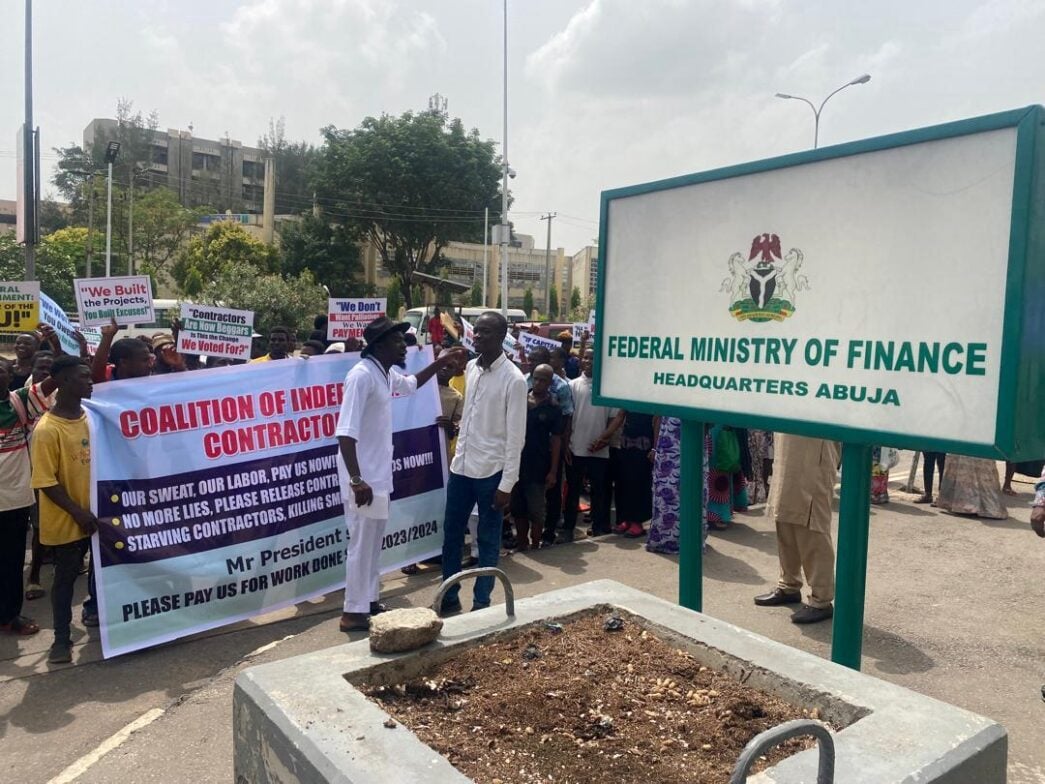
This news will surely excite local contractors with verified claims of N100 million or less, as the federal government has approved their payments.
This approval for the disbursement was given by the Minister of Finance and Coordinating Minister of the Economy, Mr Taiwo Oyedele.
This followed a verification and reconciliation exercise designed to ensure only validated claims qualify for payment.
The beneficiaries cover contractors across multiple ministries, departments and agencies. The release of the funds is expected to enable contractors to return to project sites, pay workers, settle suppliers and meet outstanding financial commitments.
In an announcement on Monday, the Federal Ministry of Finance also said this latest batch of payments would ease liquidity pressure on small businesses and accelerate economic activity nationwide.
It was noted that the payments for verified claims of N100 million below were strategically done to spread economic impact broadly rather than concentrate disbursements among a handful of large firms.
The payments form part of a broader push to clear inherited contractor obligations, with over N700 billion verified in recent months.
“For many beneficiaries, the release of funds represents more than a financial transaction. It provides the certainty needed to sustain operations, preserve jobs, complete ongoing projects, and contribute to economic recovery and growth,” the ministry said in a statement.

By Aduragbemi Omiyale
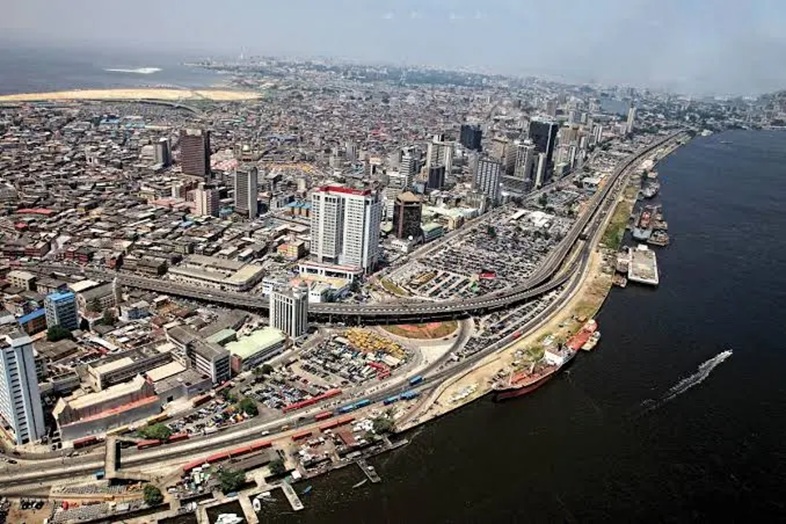
Lagos State is currently agog because of the high-profile guests in the city for the Invest in Lagos Summit 3.0 commencing today, Monday, June 8, 2026.
The programme, which ends tomorrow, is themed Lagos: Business Gateway to Africa. It will feature a line-up of sessions focused on Lagos as Africa’s Global Gateway, the Future of Technology and Innovation, Unlocking Investment, Building the Cities of the Future, Global Partnerships for Growth, Talent, Creativity and Culture, and Energy and Sustainability.
The event is being put together by the Lagos State government and Commonwealth Enterprise and Investment Council (CWEIC).
The venue of the summit, Eko Hotel and Suites, is already lively, with the Lagos State Governor, Mr Babajide Sanwo-Olu; the Minister of Finance and Coordinating Minister for the Economy, Mr Taiwo Oyedele; the co-chair of the Lagos Finance and Investment Council (LFIC), Aigboje Aig-Imoukhuede; and the chief executive of Moniepoint Incorporated, Mr Tosin Eniolorunda, amongst others expected to speak.
The workshop is designed to position Lagos as Africa’s premier destination for investment, trade, innovation, infrastructure development, and economic partnerships.
It is focused on unlocking investment opportunities and accelerating sustainable economic growth. It will bring together high-level participants from across the public and private sectors to explore opportunities in technology, infrastructure, energy, manufacturing, finance, creative industries, and urban development.
According to the Lagos Commissioner for Information and Strategy, Mr Gbenga Omotoso, the programme has been carefully structured to move beyond conversations and focus on actionable outcomes that can stimulate investment inflows into Lagos State.
He said the conference will provide a platform to showcase the state’s investments in transportation, technology, energy, manufacturing, tourism, and urban development, while also highlighting opportunities for local and international investors.
“Invest in Lagos 3.0 is more than a conference; it is a strategic platform designed to connect investors with opportunities, facilitate meaningful partnerships, and showcase Lagos as Africa’s most attractive investment destination.
“Through this summit, we are bringing together government leaders, global investors, development institutions, and business executives to explore opportunities that will unlock growth, create jobs, and accelerate economic development across Lagos and Nigeria,” the Commissioner, who doubles as the Head of the Media Subcommittee, stated.
The gathering will also feature investment pitches by governors, exhibitions by participating organisations, networking opportunities, a gala dinner, and site visits to major infrastructure and industrial projects, including the Dangote Petroleum Refinery, Lagos Free Zone, Lagos Port, and RusselSmith’s advanced manufacturing facility.


By Adedapo Adesanya
The federal government has expressed readiness to leverage the €59 million West Africa Sustainable Ocean Programme (WASOP) as part of intensified efforts to combat illegal, unreported and unregulated (IUU) fishing while strengthening sustainable management of its marine resources.
The Minister of Marine and Blue Economy, Mr Adegboyega Oyetola, made this known in Abuja during a meeting with the European Union Ambassador to Nigeria, Mr Gautier Mignot, where both sides reaffirmed their commitment to deepening cooperation on maritime security and sustainable ocean governance.
Welcoming the EU Ambassador, Mr Oyetola commended the group for its longstanding partnership with Nigeria, particularly its support for maritime stability in the Gulf of Guinea, a region critical to global shipping and regional economic development.
He noted that the West Africa Sustainable Ocean Programme (WASOP) presents a timely opportunity to strengthen coordinated action against illegal fishing, improve ocean governance, and promote sustainable exploitation of marine resources across West Africa.
He said Nigeria is keen to fully engage with the programme to attract technical and financial support that will enhance enforcement capacity and boost the country’s blue economy ambitions.
The Minister stressed that illegal fishing remains a major threat to the marine ecosystem and coastal livelihoods, warning that IUU fishing continues to deplete fish stocks, undermine food security, and erode the economic well-being of coastal communities.
He said: “Illegal, unreported, and unregulated (IUU) fishing is a direct threat to national security, food sovereignty, and the survival of our coastal communities. We cannot afford to stand by and watch our marine ecosystems be depleted and economic livelihoods eroded.
“We are calling for an era of stronger international collaboration, backed by aggressive monitoring and uncompromised enforcement systems, to permanently dismantle these illicit operations and safeguard our waters.”
Mr Oyetola also highlighted ongoing reforms in Nigeria’s maritime sector under the National Policy on Marine and Blue Economy, which prioritises innovation, private sector investment, and sustainable development of ocean resources.
He referenced key milestones in the sector, including improvements in port operations and logistics, as well as enhanced maritime security.
He further noted that Nigeria is strengthening initiatives aimed at expanding its maritime infrastructure and improving competitiveness in global trade.
The Minister also reiterated the need for broader cooperation beyond piracy control, urging development partners to support Nigeria in addressing environmental crimes, human trafficking, and illegal fishing in a more integrated and coordinated manner.
He sought increased technical assistance from the European Union, particularly in surveillance systems, fisheries monitoring, and enforcement capacity to strengthen Nigeria’s ability to curb IUU fishing across the Gulf of Guinea.
On his part, Mr Mignot reaffirmed the European Union’s commitment to strengthening maritime cooperation with Nigeria and supporting regional efforts to ensure safer and more sustainable oceans.
He highlighted the West Africa Sustainable Ocean Programme (WASOP), a major EU-funded initiative designed to promote integrated ocean governance, sustainable fisheries management, and protection of coastal and marine ecosystems across West African countries.
According to him, the programme will support improved coordination among coastal states, strengthen enforcement mechanisms, and promote a more inclusive and sustainable blue economy in the region.
-
 Feature/OPED6 years ago
Davos was Different this year
-
Travel/Tourism10 years ago
Lagos Seals Western Lodge Hotel In Ikorodu
-

 Showbiz3 years ago
Estranged Lover Releases Videos of Empress Njamah Bathing
-
 Banking8 years ago
Sort Codes of GTBank Branches in Nigeria
-

 Economy3 years ago
Subsidy Removal: CNG at N130 Per Litre Cheaper Than Petrol—IPMAN
-

 Banking3 years ago
Sort Codes of UBA Branches in Nigeria
-

 Banking3 years ago
First Bank Announces Planned Downtime
-

 Sports3 years ago
Highest Paid Nigerian Footballer – How Much Do Nigerian Footballers Earn