

Banking
S&P Affirms UBA’s ‘B/B’ Ratings with Stable Outlook

By Modupe Gbadeyanka
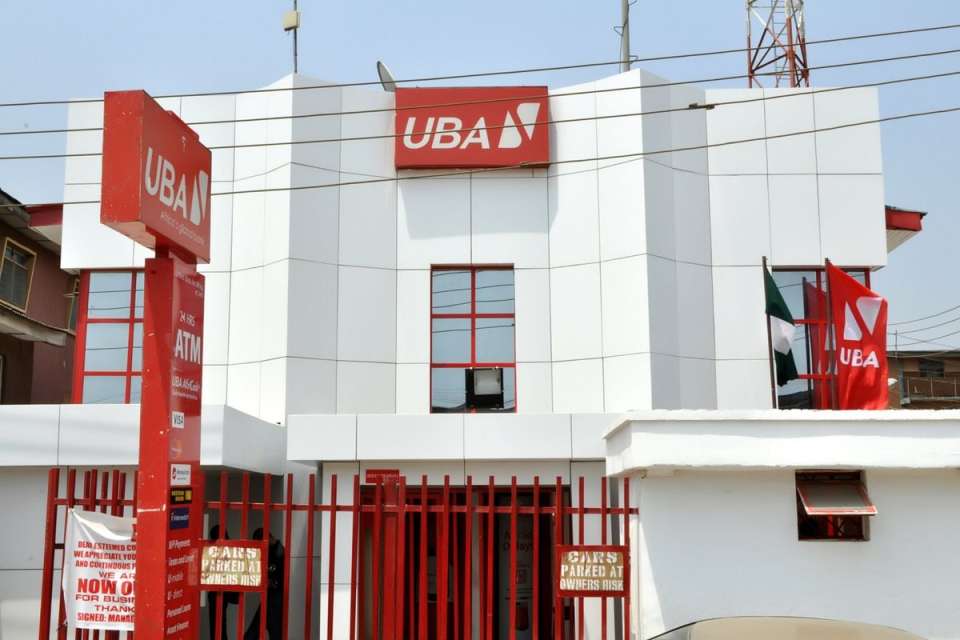
Leading rating firm in the world, S&P Global Ratings, has announced affirming its ‘B/B’ and ‘ngBBB/ngA-2’ ratings on United Bank of Africa (UBA) Plc.
A statement issued by the rating agency on Monday disclosed that it believes the tier-1 lender in Nigeria will continue to maintain sound earnings and asset quality over the next 12 months, despite the sluggish economy in its operating environment a and the high economic risk in other parts of Africa where the bank operates.
Also in the statement, S&P affirmed its stable outlook on the financial institution, explaining that the “stable outlook reflects that on Nigeria and our expectation that the group’s financial profile will remain broadly stable in the next 12 months.”
In its earnings for third quarter of this year, the lender increased its profit after tax to N61 billion from N49.5 billion in Q3 of 2016, while its gross earnings closed at N334 billion compared with N265.5 billion 12 months ago.
S&P Global Ratings, in its statement yesterday, noted that it affirmed its long- and short-term Nigeria national scale ratings on UBA at ‘ngBBB/ngA-2’.
“The affirmation reflects our view that the group will maintain its top-tier competitive position in the Nigerian banking sector. UBA benefits from a good franchise in the corporate and retail segments in Nigeria and increasing geographic diversification. Overall, we think the group has an adequate business position.
“Furthermore, we believe that the group will display relatively stable asset quality and good earnings generation over the next 12 months.
“We assess the group’s capital and earnings as moderate under our risk-adjusted capital (RAC) framework. We estimate UBA’s RAC ratio (before adjustments for diversification) at 5.2% for year-end 2016. We project that the RAC ratio will remain broadly stable over the next 12 months on the back of the group’s good earning capacity and expected stable cost of risk.
“Our forecast assumptions include loan growth of around 20% (factoring in the expected depreciation of the Nigerian naira), stable interest margins, cost control, and moderate dividend distribution. On June 30, 2017, UBA’s capital adequacy ratio was 19.7%, which is well above the regulatory minimum of 15%, and we believe it will remain stable over the next 12 months.
“We assess UBA’s risk position as adequate, which reflects our expectation that the group will exhibit broadly stable asset quality in the next 12 months. The group’s cost of risk increased to 2.1% in 2016 compared with 0.5% in 2015, before declining to 1.2% at end-June 2017.
“This ratio compares well with the sector average. However, nonperforming loans (NPLs; loans overdue by 90 days or more) ratio increased to 4.2% at end-June from 3.9% at end-2016 (1.7% at year-end 2015) and was hit hard by the foreign currency shortages, which mainly affected the general commerce and oil and gas trading companies.
“The Central Bank of Nigeria allowed banks to write-off fully provisioned NPLs the same year, without prejudice to the prudential guideline that requires banks to retain fully provisioned NPLs for one year before write-off. This was aimed at avoiding accumulation of NPLs, since banks were expected to record additional provisions in the context of the naira devaluation in 2016. As a result, UBA’s NPL coverage by provisions dropped to 60.1% at end-June 2017 from 83.3% at end-2016, after reaching about 100% on Sept. 30, 2016.
“NPLs outside Nigeria accounted for 60% of the group’s total NPLs. We anticipate that credit losses will decline to about 1% in 2017-2018, while the NPL ratio will stabilize at around 4%-5% over the same period. Similar to other Nigerian banking groups, the UBA group extends loans in U.S. dollars (about 35% of total loans at end-2016), but this risk appears to be mitigated by receivables in the same foreign currency.
“We consider the group’s funding to be above average and its liquidity to be adequate, owing to its steady and relatively low-cost, retail-deposit-based funding profile. Similar to its Nigerian peers, UBA exhibits contractual asset-liability mismatches, including in foreign currency.
“Despite tightening monetary policy in Nigeria in 2016, the group maintained a stable cost of funding at about 3.6% as of end-June 2017. The group reported a net stable funding ratio of 143% as of the same date. Broad liquid assets covered short-term wholesale funding at about 4.5x as of the same date. UBA issued a $500 million Eurobond in May 2017. We understand that the group has sufficient U.S. dollar liquidity to meet its financial obligations in 2017.
“The stable outlook on UBA reflects that on Nigeria and our expectation that the group’s financial profile will remain broadly stable in the next 12 months.
“We would lower the ratings on UBA if we lowered the rating on Nigeria or observed a higher-than-expected deterioration in the group’s assets quality indicators over the next 12 months. We would also lower the ratings on UBA in the unlikely scenario of a significant drop in capitalization, leading to a RAC ratio (before adjustments for diversification) below 3%.
“An upgrade is unlikely in the next 12 months because it would hinge on an upgrade of the sovereign and a decline in the economic risks faced by the Nigerian banking sector or a significant strengthening of capitalization, as reflected by a RAC ratio (before adjustments for diversification) sustainably exceeding 7%,” the statement said.













By Adedapo Adesanya
A five-member panel of the Supreme Court, led by Justice Lawal Garba, last Friday ruled in favour of Fidelity Bank in its appeal against Sagecom Concepts Limited.
The judgment brings definitive closure to a legacy case that has attracted attention across the financial sector for more than two decades. It also marks a significant victory for Fidelity Bank in a long-running legal dispute.
In a motion dated October 8, 2025, Fidelity Bank sought clarification from the Supreme Court, requesting a consequential order that the judgment debt be paid in Naira. The bank also asked that the interest rate be set at 19.5 per cent per annum rather than 19.5 per cent compounded daily.
It also requested the exchange rate used for conversion be the rate applicable as of the date of the High Court judgment, in line with the Supreme Court’s decision in Anibaba v. Dana Airlines.
Fidelity Bank further requested the judgment debt be fixed at N30,197,286,603.13 and that interest on this amount be payable at 19.5 per cent per annum until full settlement.
In the judgment delivered by Justice Adamu Jauro, the apex court granted the bank’s first three prayers but declined the fourth and fifth. As a result, the judgment sum will be paid in Naira at an annual interest rate of 19.5 per cent, rather than the daily compounded rate previously awarded by the High Court.
The Supreme Court equally affirmed that the applicable exchange rate should be the rate as of the date of the High Court judgment, consistent with its earlier decision in Anibaba v. Dana Airlines.
The dispute originated from a legacy transaction involving the former FSB International Bank, which merged with Fidelity Bank in 2005. It stemmed from a 2002 credit facility extended to G. Cappa Plc and subsequent legal proceedings tied to the collateral.
This ruling provides finality for years of litigation and confirms a significantly lower liability than the N225 billion previously speculated in the review of decisions leading up to the decision.
By Adedapo Adesanya
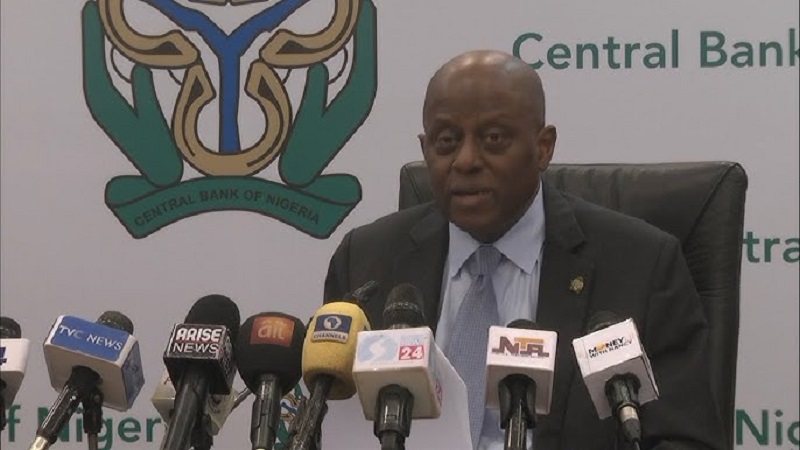
The operating licences of all legacy Bureau De Change (BDC) operators who failed to meet the new licensing requirements have been revoked by the Central Bank of Nigeria (CBN).
This happened after the central bank streamlined the BDCs to 82 in order to sanitise the foreign exchange (FX) market in the country.
The latest development was revealed by the apex bank in its Frequently Asked Questions document on the current reform of the bureau de change, published on its website on Tuesday.
According to the document, the CBN has now enforced the final cutoff, declaring that any BDC that did not meet the requirements by the end of November is no longer recognised.
“The guidelines provided a transition timeline of six months from the effective date, 3 June 2024, with a deadline of 3 December 2024, for all existing BDCs to meet the requirement of the new Guidelines or lose their licence(s). However, the management of the CBN graciously extended this deadline by another six months, which ended 3 June 2025, to give ample time for as many legacy BDCs desirous of meeting the new requirements to do so.
“Consequently, any legacy BDC that failed to meet the requirements of the new Guidelines as of 30 November 2025 has ceased to be a BDC, as its licence no longer exists. Please visit the CBN website for the updated list of existing BDCs in Nigeria,” the apex bank said.
According to the CBN, before its latest decision, an extended compliance window was granted under the revised BDC Guidelines. Existing operators were initially given six months, June 3 to December 3, 2024, to satisfy the new regulatory conditions.
The CBN later granted an additional six-month extension, which elapsed on June 3, 2025, to allow more operators to align with the updated standards.
The new measures form part of broader efforts by the CBN to strengthen transparency, compliance, and stability within Nigeria’s foreign exchange market.
The new CBN regulatory framework for BDCs, introduced in February 2024, mandated BDC operators to meet higher capital requirements. Tier-1 operators are required to meet a minimum capital requirement of N2bn, while Tier-2 operators must meet N500m as MCR.
The bank added that it would continue to receive applications on its Licensing, Approval and Requests Portal from prospective promoters, and those that meet the criteria will be considered for a license.
However, the CBN said it reserves the right to discontinue the licensing of BDCs at any time.

By Modupe Gbadeyanka
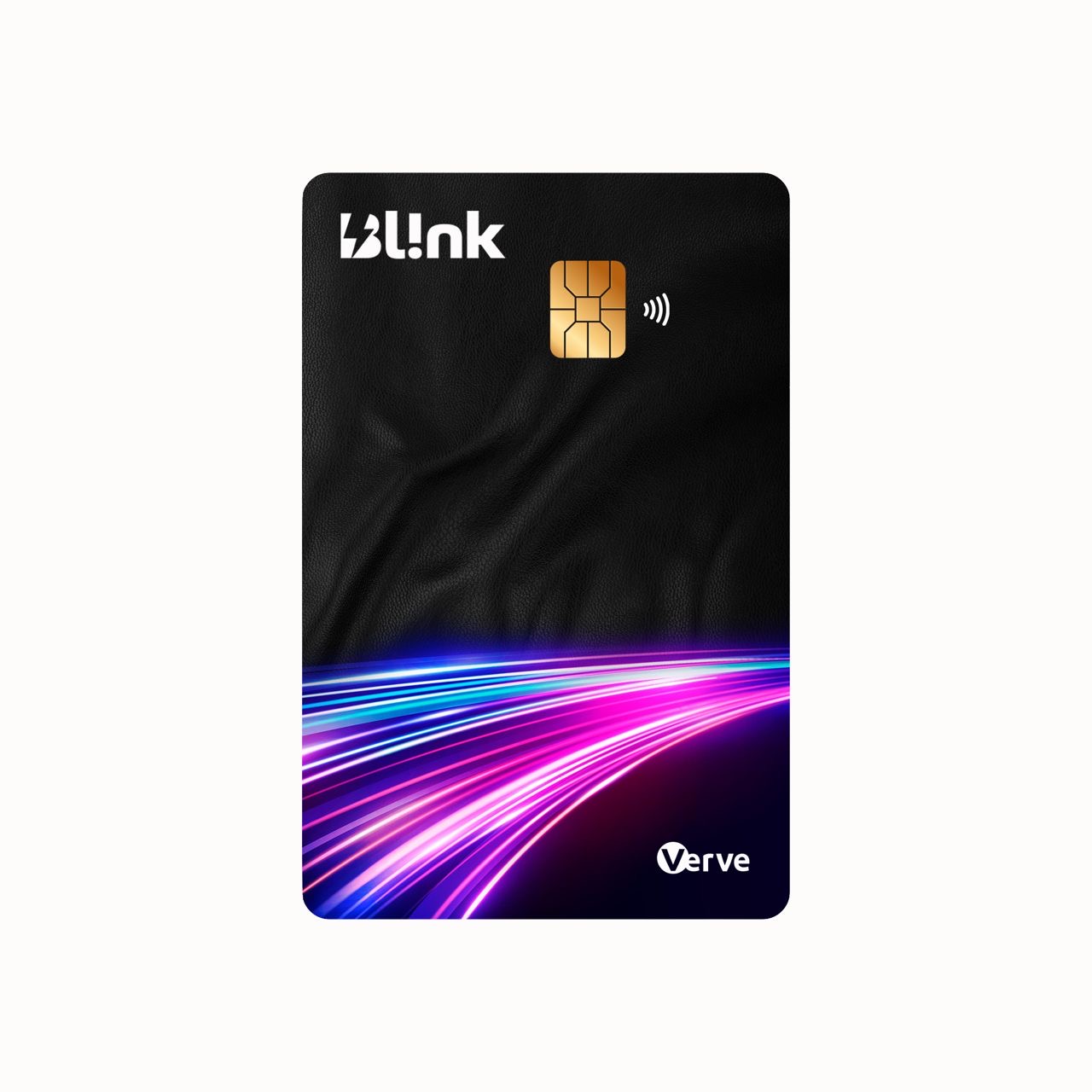
A non-bank credit card issuer, 03 Capital, has introduced a travel card designed to unlock the N95 billion festive spending boom in Nigeria.
The new initiative, known as the 03 Capital Blink Travel Card, promotes economic participation among returning Nigerians, expatriates, and tourists.
A statement from the financial technology (fintech) firm is available instantly to use at over 40 million merchants and ATMs nationwide.
The Blink Card, to be issued in both digital and physical form, is loaded with currency from any foreign bank card, converted to Naira, enabling transactions to be completed in the local currency.
The card offers tap-to-pay and cash withdrawals at over 40 million merchants and ATMs nationwide, making it the ideal solution for visitors to Nigeria.
It also avails Nigerians in the Diaspora to spend like locals when they return to their country of origin.
Payments for goods and services can be completed via the virtual Blink Card, linked to the O3Cards app. Funds can also be transferred instantly to all local banks and other financial institutions.
According to the World Bank, remittance inflows account for approximately 5.6 per cent of Nigeria’s gross domestic product (GDP), and the resultant spending power is unlocked when the Diaspora returns home for the festive period.
In December 2024, about N95 billion was injected into the Nigerian economy by inbound passengers – 90 per cent being diasporic Nigerians – spending on short-let accommodation and hotels, events and hospitality, nightlife and dining, and vehicle rentals. The launch of the Blink Card promises to spur this spending further, providing a significant boost to local businesses.
Blink Cards are available for collection at all Nigerian international airports, offering an immediate and hassle-free route to financial empowerment for people arriving in the country.
Blink Card carriers benefit from increased convenience, flexibility, and safety by not needing to carry large amounts of physical cash, while the ability to pre-load cards promotes smarter budgeting practices.
“We are excited to launch the Blink Card to promote greater economic participation among visitors to Nigeria.
“The card removes the needless friction and costs involved in legacy foreign exchange and cash payment processes, offering a quicker and more transparent option for spending in the country.
“As Nigerians begin travelling home for Christmas – combined with the regular traffic of arriving tourists, expatriates, and businesspeople – this is the perfect time to launch a solution catering to the financial needs of visitors, tapping into the seasonal spending boom which provides an annual lifeline for local economies and SMEs,” the chief executive of 03 Capital, Abimbola Pinheiro, stated.









-
 Feature/OPED6 years ago
Davos was Different this year
-
Travel/Tourism9 years ago
Lagos Seals Western Lodge Hotel In Ikorodu
-

 Showbiz3 years ago
Estranged Lover Releases Videos of Empress Njamah Bathing
-
 Banking7 years ago
Sort Codes of GTBank Branches in Nigeria
-

 Economy3 years ago
Subsidy Removal: CNG at N130 Per Litre Cheaper Than Petrol—IPMAN
-

 Banking3 years ago
First Bank Announces Planned Downtime
-

 Banking3 years ago
Sort Codes of UBA Branches in Nigeria
-

 Sports3 years ago
Highest Paid Nigerian Footballer – How Much Do Nigerian Footballers Earn