
Banking
Wema Bank Upgrades ALAT App, Offers 30% Discount to Customers

By Dipo Olowookere
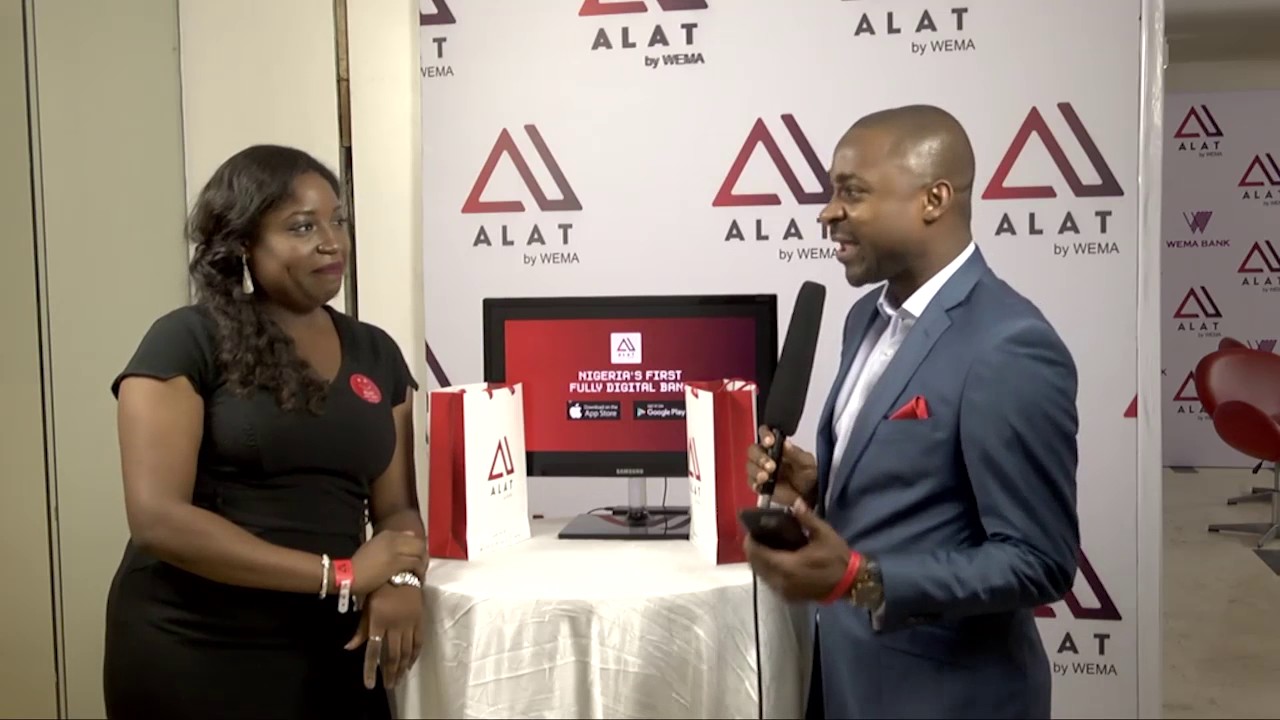
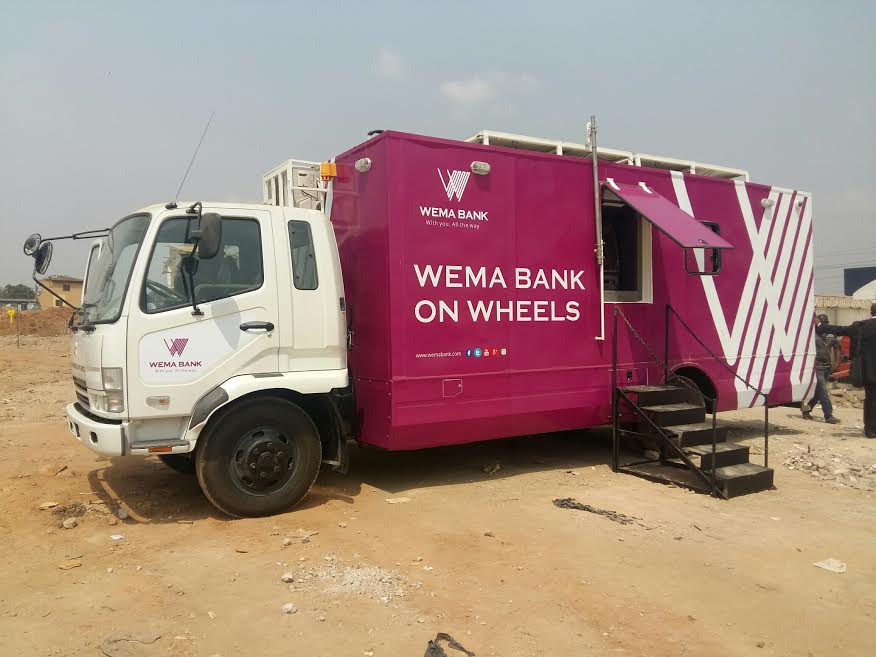
Customers of ALAT, Nigeria’s first fully digital bank launched by Wema Bank Plc, are set to enjoy the best of times with the lender committed to understanding their needs and offering them great deals.
The bank, which recently celebrated 100,000 accounts after just five months of operation, is offering its customers discounts of up to 30 percent on purchases made with its cards.
“When we launched ALAT in May, we made some promises to everyone who banks with us and we have not failed to deliver on these promises,” says Dele Adeyinka, chief digital officer at ALAT by Wema. “Technology has opened up various options through which banking can be made easier, faster and even more rewarding. We have been able to exploit the capabilities technology has offered to become a part of customers’ life. We are tailoring the solutions we provide to the lifestyles of our customers.”
The discount offer is part of the new ALAT 2.0, an upgrade to the app the Bank launched with. The new version of ALAT is expected to help it deliver more value to its customers who are increasing daily.
The new upgrade also comes with freshly designed interface that remains representative of the trendy ALAT app.
With ALAT 2.0, customers can send money to phone numbers, email addresses and social media handles. These interesting features have also come with exciting names like ALAT Pay out, ALAT Deals and ALAT Stash – which allows customers to earn 10 percent interest on savings.
Launched in May 2017, ALAT is Nigeria’s first fully digital bank, designed in response to the growing needs of Nigerian millennials for financial institutions that understand their fast-paced lifestyle, responds quickly to their needs and helps them save money.
ALAT by Wema Bank was named the Digital Banking Platform of the year by Business Day, Nigeria’s foremost business newspaper.
The bank was also recently nominated as the best innovative digital solution in Nigeria by the World Summit Awards. The Bank is now competing with 99 other nominees from across the world for the global top prize.
Few weeks ago, ALAT won an award for Excellence in Branchless Banking in the New Age Banking Awards.
ALAT can be downloaded from Google Play Store and Apple’s App Store. It provides end-to-end banking services digitally, without the need for physical branches. The bank also delivers free debit cards to its users.
Adoption of ALAT has exceeded expectations, with the bank passing the 100,000 accounts milestone early in October 2017.
An average of 500 ALAT accounts are opened every day through the bank’s 10 For 10 referral program alone. The program pays up to 1,000 naira for each referral made.









By Adedapo Adesanya
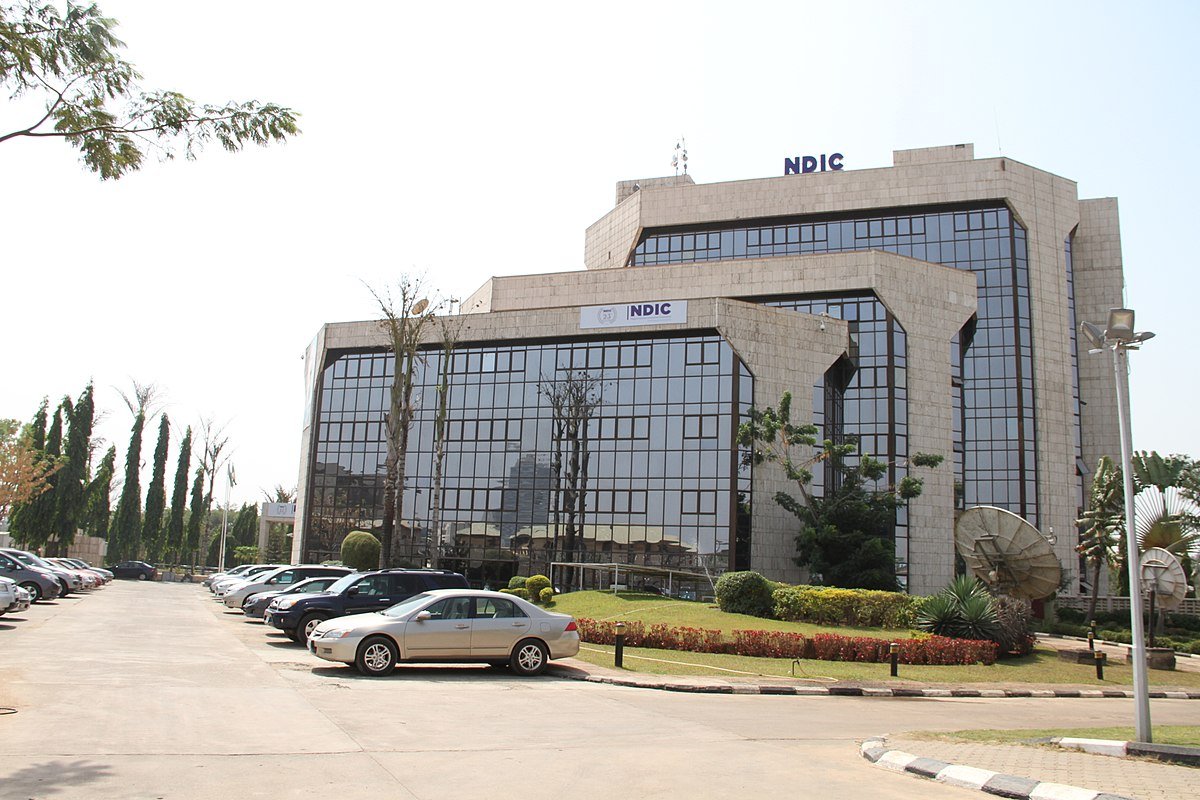
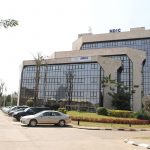
The Nigeria Deposit Insurance Corporation (NDIC) says depositors of failed banks in Nigeria can now access their insured funds within days.
The corporation said the development is a part of ongoing reforms aimed at strengthening confidence in the country’s financial system.
The chief executive of NDIC, Mr Thompson Sunday, disclosed this on Thursday at the NDIC Special Day of the 47th Kaduna International Trade Fair, noting that recent interventions had significantly improved the speed and efficiency of depositor compensation.
Represented by Mrs Regina Dimlong, the Assistant Director of Communications and Public Affairs, Mr Sunday said the corporation had successfully deployed the Bank Verification Number (BVN) system to facilitate prompt payments to customers of recently failed banks, including Heritage Bank Limited, Union Homes Plc and Aso Savings and Loans Plc.
“Depositors were paid within days of closure without the need to fill physical forms or visit NDIC offices.
“This is a part of our reform efforts to make depositor protection faster, simpler and more transparent,” he said.
According to him, the reforms were designed to restore public confidence in the banking system and prevent panic withdrawals, especially during periods of financial stress.
Mr Sunday explained that NDIC’s mandate spans deposit insurance, bank supervision, distress resolution and liquidation of failed banks, adding that the Corporation works closely with the Central Bank of Nigeria (CBN) to ensure early detection of risks in insured institutions.
He disclosed that in 2024, NDIC reviewed its deposit insurance framework, increasing coverage for depositors of Deposit Money Banks, Mobile Money Operators and Non-Interest Banks to N5 million, while customers of Microfinance Banks, Primary Mortgage Banks and Payment Service Banks are now covered up to N2 million.
He noted that the revised thresholds now guarantee full protection for about 99 per cent of depositors nationwide, particularly small savers and low-income earners.
The NDIC boss urged Nigerians to ensure their BVNs are properly linked to their bank accounts, stressing that this had become the primary channel for accessing insured deposits in the event of bank failure.
By Adedapo Adesanya
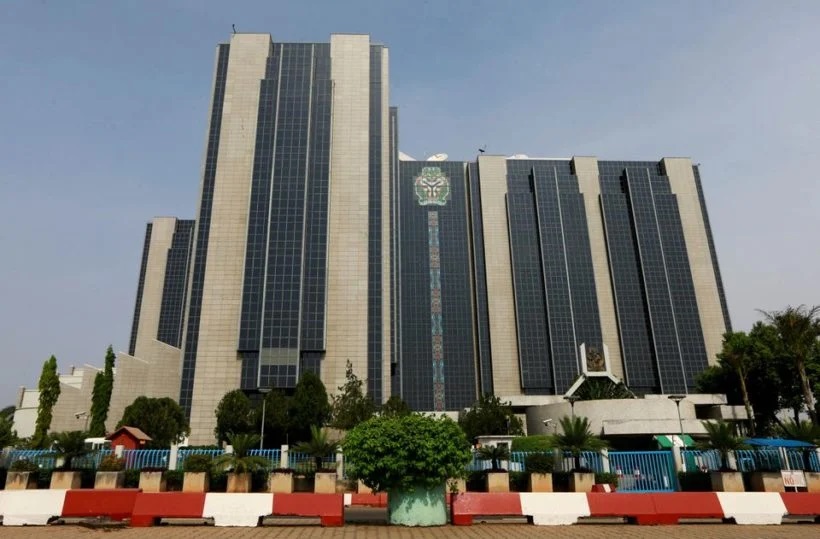
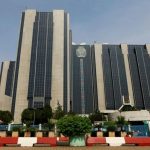
Nigeria has secured a major strategic gain at the ongoing 39th African Union Summit, after securing a permanent seat on the board of the African Central Bank.
The Minister of Foreign Affairs, Mr Yusuf Tuggar, confirmed this at the summit on Friday, highlighting it as a significant milestone for both Nigeria and the West African region.
The African Central Bank (ACB) is one of the original five financial institutions and specialised agencies of the African Union (AU).
“Importantly, Nigeria has been given the hosting of the African Monetary Institute and the African Central Bank. Not only that, in today’s plenary, Nigeria was confirmed a seat on the board of the African Central Bank. This is huge,” he said.
He stated that the development represents a diplomatic breakthrough, mentioning that the move faced initial opposition from some member states.
“It is something that was initially resisted by some countries, so now we have a permanent seat on the African Central Bank board. It’s a major success,” he added.
This year’s summit carries the theme Assuring Sustainable Water Availability and Safe Sanitation Systems to Achieve the Goals of Agenda 2063, the sessions will focus on advancing continental commitments to sustainable water management and improved sanitation, critical pillars for health, agricultural productivity, and the broader development aspirations of the AU’s Agenda 2063 framework.
Beyond financial governance, Nigeria and the West African bloc also recorded progress in elections to the Peace and Security Council, the African Union’s highest decision-making body on conflict and security matters.
The delegation announced that “Côte d’Ivoire, Sierra Leone, and the Republic of Benin have been elected,” with Benin securing a fresh term while the other two countries were re-elected.
The Peace and Security Council also convened to deliberate on the situations in Sudan and Somalia. Nigeria voiced strong reservations over Sudan’s potential readmission into the continental body.
“Nigeria voiced its reservations about Sudan being readmitted because, as you know, there are two warring factions in Sudan,” Tuggar stated.
“We reminded the Peace and Security Council that we have to abide by the rules and regulations of the African Union. If there has been an unconstitutional change of government, then the country should not be allowed to participate, and that was carried.”
The summit also outlined its 2026 theme: water sustainability. The Nigerian representative underscored the country’s strategic and demographic significance in advancing that agenda.
“Nigeria was created out of the confluence of the River Niger and the River Benue. So water is very important,” he said.
“We are the largest country in Africa, with a population of 230 million people. We’re going to be 400 million in the next 24 years. So water is a source of life. It’s very important, and we’re playing a very pivotal role in implementing the programs that are being set for the theme of the year.”

By Modupe Gbadeyanka
The second African Markets Conference (AMC) will take place in Cape Town, South Africa, from Sunday, February to Tuesday, February 24, 2026.
The event, hosted by Standard Bank, will bring together global institutional investors, sovereign wealth funds, and African policymakers to catalyse the flow of capital into the continent’s most critical sectors.
The theme for this year’s edition is Mobilising Global Capital at Scale for Africa’s Growth and Development.
AMC 2026 will host a high-level delegation of decision-makers, ensuring that the dialogue leads to tangible commitments.
The conference will be structured around five high-impact pillars designed to move the needle on investment, including prioritising infrastructure as an asset class, accelerating the energy transition, deepening African capital markets and mobilising private capital, enabling intra-African trade and flows of capital, and addressing Africa’s sovereign debt and cost sustainability.
It is estimated that by 2050, Africa will add one billion people, more than half in cities, yet it invests only $75 billion of the $150 billion it needs annually for infrastructure. Standard Bank aims to use AMC 2026 to ensure that African priorities remain at the centre of the global financial discourse.
“This year’s engagement bridges the gap between policy ambitions and market realities. Africa urgently needs practical measures to deepen capital pools, improve market liquidity, and strengthen regulatory frameworks that give investors the confidence to deploy capital at scale.
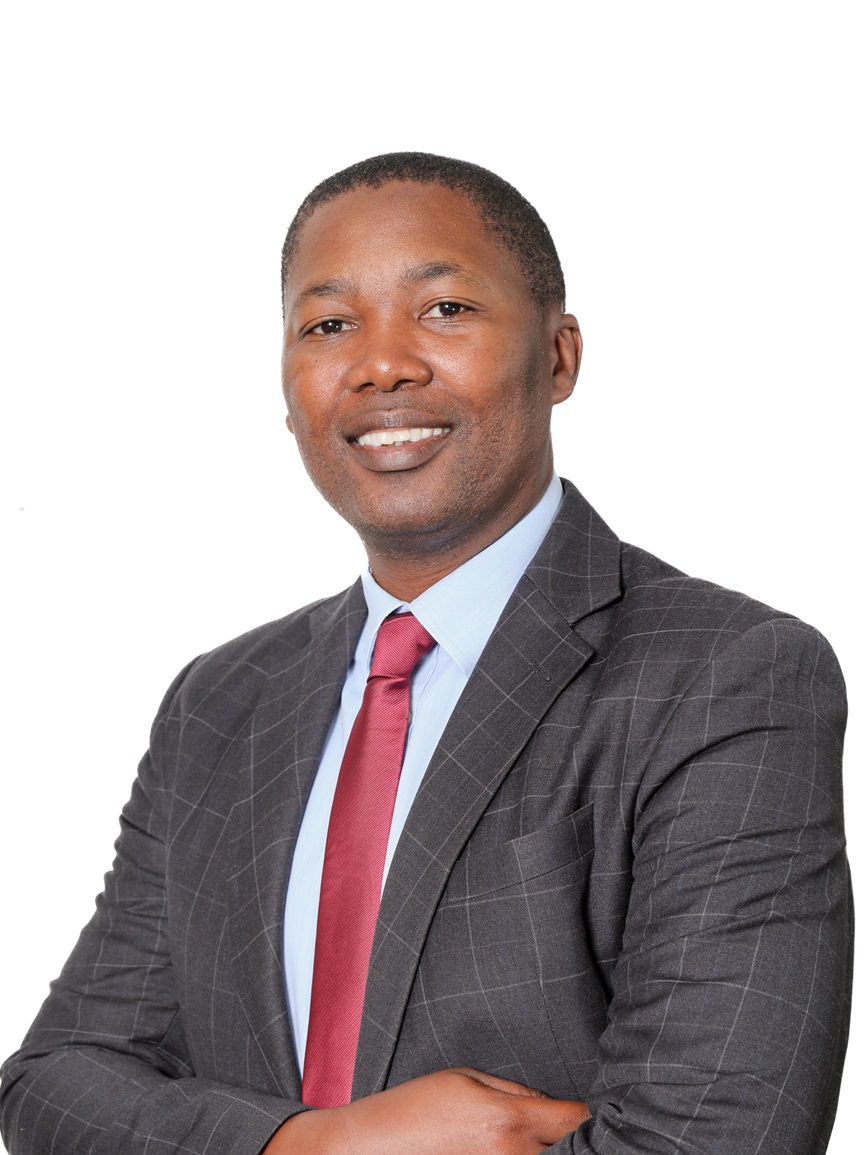
“Mobilising capital is not just about funding projects; it is about building the foundation of a more balanced and inclusive global economy,” the chief executive of Corporate and Investment Banking at Standard Bank Group, Luvuyo Masinda, stated.







-
 Feature/OPED6 years ago
Davos was Different this year
-
Travel/Tourism10 years ago
Lagos Seals Western Lodge Hotel In Ikorodu
-

 Showbiz3 years ago
Estranged Lover Releases Videos of Empress Njamah Bathing
-
 Banking8 years ago
Sort Codes of GTBank Branches in Nigeria
-

 Economy3 years ago
Subsidy Removal: CNG at N130 Per Litre Cheaper Than Petrol—IPMAN
-

 Banking3 years ago
Sort Codes of UBA Branches in Nigeria
-

 Banking3 years ago
First Bank Announces Planned Downtime
-

 Sports3 years ago
Highest Paid Nigerian Footballer – How Much Do Nigerian Footballers Earn