

Showbiz
Nigeria Will Add $2.8b, Kenya $3.2b, SA $13.4b to E&M Sector by 2021—Report

By Dipo Olowookere
A report by PwC titled ‘Entertainment and Media Outlook: 2017 – 2021: An African Perspective’ has revealed that during the period under review, Nigeria will contribute about $2.8 billion to the Entertainment and Media industry.
According to the report, “In terms of total E&M revenue, Nigeria is one of the fastest-growing countries in our Outlook, but this figure must be treated with caution, as a huge proportion of that growth comes from Internet access revenue alone–specifically mobile Internet access revenue.
“Of the $2.8 billion that the Nigerian market will add between 2016 and 2021, all but $452 million will come from Internet access revenue. The combined elements of TV and video will add nearly $200 million in revenue growth to 2021.”
PwC, in the report, explained that the Outlook was a comprehensive source of analyses and five-year forecasts of consumer and advertising spending across five countries (South Africa, Nigeria, Kenya, Ghana and Tanzania) and 14 segments: Internet, data consumption, television, cinema, video games, e-sports, virtual reality, newspaper publishing, magazine publishing, book publishing, business-to-business publishing, music, out-of-home, and radio.
The report further pointed out that it observed significant shifts are underway in how Africa’s E&M companies compete and generate value, as the quality of the experience they deliver to consumers becomes their primary basis for strategic differentiation and revenue growth.
To thrive in a marketplace that is increasingly competitive and crowded, companies are focusing on implementing strategies and building capabilities to engage with consumers.
It said for Kenya, “The E&M industry was worth $2.1 billion in 2016, up 13.6 percent on 2015. Revenue is forecast to grow at an 8.5 percent CAGR over the next five years, hitting the $3 billion mark in 2020, and totalling $3.2 billion in 2021.
“Internet access is the most established industry within the Kenyan market, boasting the largest revenues and one of the highest growth rates to 2021.”
However for Ghana, its E&M industry is beginning to gear up.
“In 2012, total revenue was just at $214 million, but four consecutive years of year-on-year growth above 25 percent have led it to revenues of $685 million in 2016. This is forecast to more than double over the next five years, with revenues of $1 billion being surpassed in 2019 and a total of $1.5 billion forecast for 2021, thanks to a 16.5 percent CAGR,” the report stated.
According to PwC, “Tanzania’s total E&M revenue stood at $504 million in 2016, but is set to more than double to $1.1 billion in 2021, a 17.2 percent CAGR over the coming five years.
“The symbolic crossing of the $1 billion mark is set to occur in 2021. This is significant growth from 2012 where the industry stood at just $175 million.”
The report, in its analysis of the South African market, said by 2021, total E&M revenue in the country is expected to reach R177.9 billion (about $13.4 billion), up from R132.7 billion in 2016.
It noted that internet access remains the key growth driver and will account for R27 billion of this increase.
The fastest growing sectors will be virtual reality (VR) and e-sports compounded annually at 72.6% and 39.6%, although these segments are still new revenue lines and remain the smallest in terms of absolute revenue numbers. Although overall growth in revenue will hold up, it is expected to slow down by the end of 2021.
“Companies that wish to capture value amid shifting consumer preferences and business model disruptions must focus on an increasingly prominent source of competitive advantage: the user experience. They must harness technology and data to attract, retain and engage users–and convert them into devoted fans,” says Vicki Myburgh, Entertainment and Media Industry Leader for PwC Southern Africa. These imperatives assume a larger importance because, as we document in the Outlook, the entertainment and media industry is confronting several challenges to continued top-line growth.
Digital spend will continue to drive the overall growth. Nearly 40% of total spend will be derived from Internet access in revenue. South Africa’s mobile Internet penetration is forecast to rise to 77.8% by the end of 2021 from 52.3% in 2016. This increased Internet penetration will drive mobile Internet access revenues, which are projected to grow by a CAGR of 10.7% to nearly R62 billion.
South Africa can expect a CAGR of 7.2% for consumer revenue over the forecast period, rising from R87.4 billion in 2016 to R123.7 billion in 2021. The largest contributor will be Internet access, with a 48% share in 2016 rising to 56% in 2021.
South Africa continues to remain the largest TV market on the African continent, with total revenues of R40.9 billion in 2016. The total TV market is estimated to be worth R51.2 billion by 2021. At this time, end-user spending (Pay-TV subscriptions, physical and Internet home video and license fees) will account for 56.7% of the total TV market.
The video game market is also performing well and revenue is forecast to grow at a CAGR of 15.4% to reach R5.4 billion in 2021, up from R2.6 billion in 2016. The primary growth driver in the video games market is social/casual gaming revenue, which will be worth R3.7 billion by 2021. Furthermore, the console and PC markets are experiencing a significant shift towards digital and online/micro transaction revenue, which will exceed physical sales for the first time in 2020.
The growing interest in gaming is helping to fuel the rapid growth in the related segment of VR and e-sports. As a segment that only reached consumers in 2016, almost the entire VR market is new. According to the Outlook, the consumer VR content market will be worth R455 million by 2021. Of this, R282 million will be spending on VR video.
Alongside video, the B2B market is showing continued growth. In 2016 revenues grew by 3.8% to R9.7 billion and by 2021 this is forecast to rise to R11 billion, a CAGR of 2.6%. The slowdown in growth is largely attributable to ongoing macroeconomic challenges which are likely to weigh on B2B revenues.
The South African cinema sector currently presents a mixed picture. Overall revenue, including box office and cinema advertising, is expected to reach R2.2 billion in 2021, up from R1.9 billion in 2016. South Africa continues to be an attractive destination for international filmmakers. Although some short-term economic and political issues are impacting the film sector, it is expected in the long term to continue to expand.
South Africa’s music industry is on a growth curve with live music being a key driver. Live music revenue is expected to rise from R1.2 billion in 2016 to R1.7 billion in 2021, a CAGR of 7.4% over the forecast period.
It is notable that only one digital subcomponent is seeing a significant decline in the entire Outlook – digital music downloading revenue, which is forecast to see a -15.7% CAGR, as consumers shift from ownership to access. Digital music streaming revenue is forecast to rise at a CACR of 34.5% to 2021, reaching R518 million in that year. This growth rate is only beaten by new revenue lines from VR and e-sports.
Among the largely non-digital segments, magazines and newspaper revenue are set to continue their decline. Total newspaper revenue in the South African newspaper market has been unpredictable. The market showed growth in 2013, declined in 2014 and bounced back marginally in 2015, contracting at a slower rate. In 2016, total newspaper revenue was worth R8.9 billion, but this figure is forecast to drop to R7.4 billion in 2021. Marginal growth is expected for the book publishing industry over the next five years. The educational book market will contract by a -0.1% CAGR. On the contrary, professional titles and consumer books will exhibit some growth as e-book revenues continue to grow.
The report shows that South Africa’s total entertainment and media advertising revenue is expected to rise to R54.2 billion by 2021 from R45.3 billion in 2016, representing a 3.7% CAGR. TV advertising remains dominant, but in terms of absolute growth it is Internet advertising that is almost an equal contributor, helped by a sizeable 12.9% CAGR.
Myburgh says: “It is clear that something fundamental has changed in the entertainment and media industry. E&M companies that have become accustomed to competing and creating differentiation, based primarily on content and distribution, need to focus more intensely on the user experience. The marketplace has increasingly become more competitive, slower-growing and dependent on personal recommendations.
“Thriving in this new world of intense competition and continual disruption will be challenging. The opportunities are, however, immense. Across the industry, the resulting quest to create the most compelling, engaging and intuitive user experiences is now the primary objective for growth and investment strategies, with technology and data at the centre.
“Accordingly, companies will need to develop strategies to engage, grow and monetise their most valuable customers: their fans.”



By Modupe Gbadeyanka
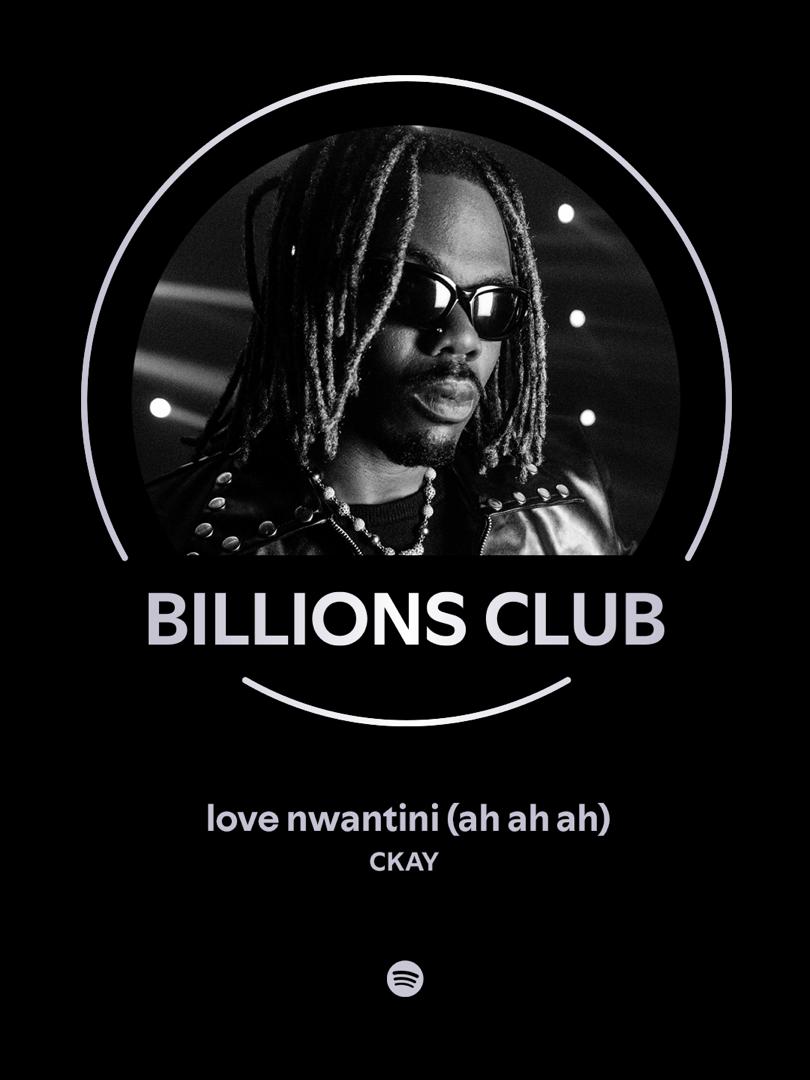
The 2019 single released by Nigerian singer, songwriter, and producer, CKay, Love Nwantiti, has officially surpassed one billion streams on Spotify.
This feat has made him one of the few African artists to reach this milestone and the first Nigerian solo act to achieve this.
The song has sustained a global appeal, with listeners from the United States, India, Indonesia, Brazil, and the United Kingdom playing it in the last 28 days alone, a proof of the track’s staying power well beyond its viral peak.
This achievement places CKay in an elite group of African artists with billion-stream records on Spotify, which includes hits driven by collaborations with Nigerian artists, such as Drake’s One Dance (featuring Wizkid and Kyla), Future’s Wait For U (featuring Drake and Tems), and Rema’s Calm Down (featuring Selena Gomez), and solo song Water, by Tyla.
Love Nwantiti was released on CKay’s EP titled CKay the First. It began as a slow-burn masterpiece that captured a global audience. It then broke out by blending the grooving rhythm of Afrobeats with an emotional feeling and an entrancing melody, a sound CKay himself pioneered and coined as Emo-Afrobeats, fusing African rhythms with raw, heartfelt emotion.
The song, which translates to sweet gentle love in the Igbo language, communicates an intense desire for a love interest. Its journey from a homegrown Nigerian track to a cultural sensation fuelled by countless dance challenges, social virality, and international remixes is proof of the widespread power of its sound.
It remains a fixture on playlists globally, with over 3.9 million playlist adds and sustained streaming momentum across continents.
CKay achieved this historic mark with a solo, non-collaborative lead release by a Nigerian artist. This distinction highlights his unique vision and singular impact as both a writer and performer, making him a true torchbearer for the new generation of African music talent.

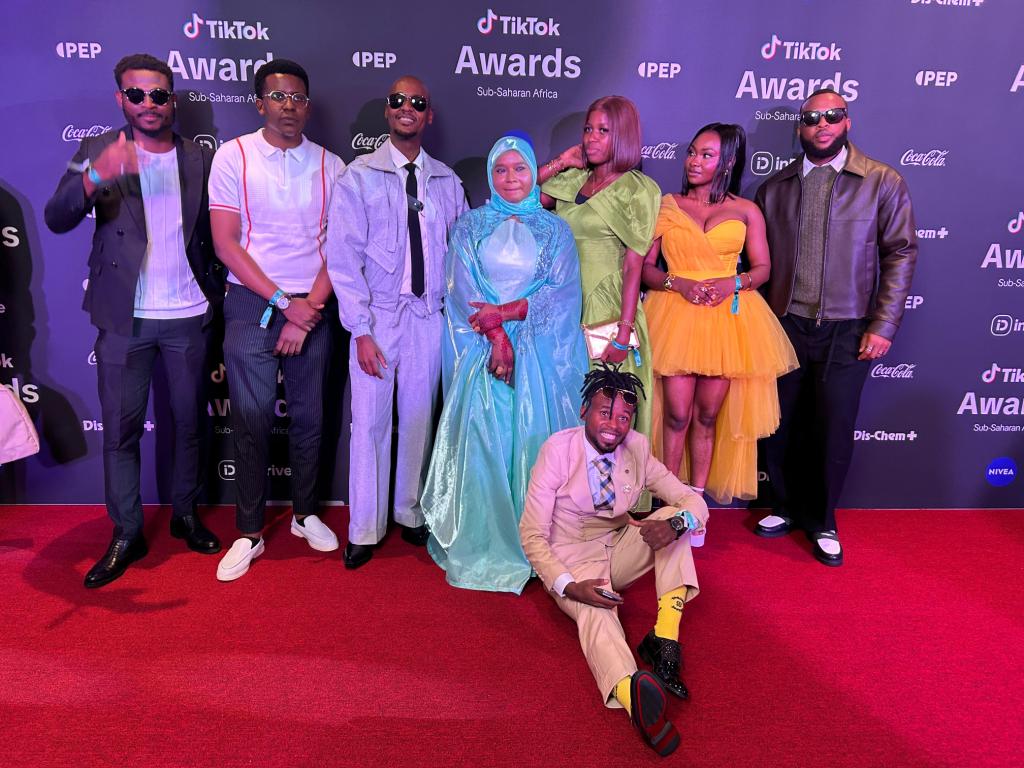
The verdict is in and the message from Johannesburg is clear; the TikTok community has spoken, and Africa has crowned its newest icons. This past Saturday, the 2025 TikTok Awards Sub-Saharan Africa saw Nigerian creators assert their dominance, securing six out of the ten category wins in a night that celebrated the theme “New Era, New Icons”.
From the streets of Sokoto to the studios of Lagos, TikTok honoured the Nigerian trailblazers who are not just steering the global conversation on African culture.
On the night, creators also celebrated the role TikTok played in enabling them to share their culture. “Thank you, TikTok for giving us this platform to showcase our culture, to express our talent,” said 2025 Creator of the Year (@diaryofanortherncook) Raja’atu Muhammed Ibrahim.
Speaking on stage as he collected his Storyteller of the Year Award, Brian Nwana said, “Every single creator is a storyteller. We all tell stories that help drive the local communities, our cities, and our countries, and when we do that we change the perception that the world has about us”.
The platform has also played a significant role in spreading culture through music in 2025. 2025 Artist of the Year and “Laho” hit-maker, Shallipopi said, “Thank you, TikTok, for supporting all upcoming artists and giving them a spotlight to shine.”
The night of glitz, red-carpet glam and soul-thumping performances was a true celebration of African culture and the creativity that brought it to the world stage in 2025.
Here are the full winners from the night:
Creator of the Year (Sponsored by NIVEA)
Winner: Raja’atu Muhammed Ibrahim @diaryofanortherncook (Nigeria)
Taking the night’s most prestigious title, @diaryofanortherncook was recognised for her mastery of visual storytelling through food with the rich sounds of northern music. Based in Sokoto, the creator has captivated a global audience by documenting Northern Nigerian cuisine with that kind of cinematic flair that draws global attention to Nigerian food.
Storyteller of the Year (Sponsored by inDrive)
Winner: Brian Nwana @briannwana (Nigeria)
Based in Abuja, @briannwana claimed the Storyteller of the Year award through his food content. From street interviews to compelling personal narratives woven into his food adventures, Brian has a rare gift for capturing the human experience bite by bite. His content keeps audiences hooked from the first second to the last. His Guinness World Record for the most fast-food restaurants visited in 24 hours is just the latest example of his bold, inventive approach to content.
Education Creator of the Year
Winner: Izzi Boye @izziboye (Nigeria)
Making tech accessible to the masses, @izziboye is the go-to guy for gadget reviews, hacks, and digital tips. He proves that TikTok is a powerful classroom for the digital age.
Runner-up: @michelle_expert (South Africa) empowers her audience with expert advice and actionable insights from career development and financial literacy to personal growth and everyday decision-making.
Entertainment Creator of the Year (Sponsored by PEP)
Winner: Belove Olocha @beloveolocha (Nigeria)
A dominant force in content creation, Lagos-based @beloveolocha was awarded for her consistent ability to entertain and engage audiences with relatable movie content. She also stands out for incorporating her love for movies, sharing film moments and recommendations that resonate with her community. On stage, Olocha spoke about being grateful she took the risk to make a career as a content creator “Thank you to God first, and then to my mum, my family, and to my community. I want to thank TikTok. I resigned from my job to do content full-time, and it has not been a waste.”
Runner-up: Jabulani Macdonald @jabu_macdonald (South Africa) is a staple of South Africa’s entertainment scene, known for his quick wit and engaging presence.
Social Impact Creator of the Year (Sponsored by Dis-chem)
Winner: Dejoke Ogunbiyi @noositiwantiwa_ (Nigeria)
Using the platform for good, @Noositiwantiwa_ is driving conversations that matter. From Ibadan, she tackles social issues with grace and impact, mobilising her community for positive change.
Runner-up: Sinethemba Masinga @ufarm_julia (South Africa) – A champion for agriculture and sustainability, proving that farming is the future.
Artist of the Year
Winner: Crown Uzama @theycallmeshallipopipp (Nigeria)
2025 was the year of“Plutomania”. Shallipopi, popularly referred to as “Pluto Presido” by his fans, “plutomanians”, dominated the soundwaves and the platform, with tracks that sparked viral challenges and became the soundtrack of the year across the continent.
Guests were treated to an electrifying night of glitz and glamour, but the energy peaked when the Pluto Presido himself, Shallipopi, took the stage to accept his Award for the Artist of the Year Award. The Benin-born superstar has had the industry in a chokehold throughout 2025. His smash hit “Laho” both topped the charts and became a cultural reset as it sent shockwaves across our For You Feeds. Blending his signature Edo-infused street lingo with an irresistible Afrobeats bounce, the track sparked a viral frenzy that transcended borders, proving once again that when Nigeria creates, the world moves.
Supported by partner brands like NIVEA, inDrive, Coca-Cola, PEP and Dis-chem, winners hailed from Nigeria, South Africa, Kenya, Ghana, and Tanzania, reflecting the commitment to elevating the voices shaping entertainment, education, and social impact across the continent.
“With Nigerian creators securing six of the ten awards, we are honoured to celebrate their impact, especially as these victories were voted for by the TikTok community, who continue to champion the stories shaping culture”, reflects Boniswa Sidwaba, TikTok’s Head of Content Operations for Sub-Saharan Africa. Adding to this, she said, “Tonight’s ceremony was a gathering of the trailblazers who have redefined what it means to be a creator in Africa. This year, we are honoured to see West African creators who turned short video clips into cultural movements be recognised.”
Audiences across Africa will get a chance to experience the glamour, performances, and emotional acceptance moments when the ceremony is broadcast exclusively on TikTok LIVE on 11 December at 19:00 WAT on the @tiktok.africa account.
And the other 2025 Winners included:
Video of the Year
Winner: Fanuel John Masamaki @zerobrainer0 (Tanzania)
Tanzanian sports creator @zerobrainer0 makes a triumphant return, winning Video of the Year after securing Sports Creator of the Year in 2024. He has become a continent-wide fan favourite thanks to his signature beige blazer and his unique, silent comedy spin on football moments.
Rising Star of the Year
Winner: @tunero_animations (Kenya)
The future of African storytelling is animated. Celebrating the next generation of talent, the Rising Star award went to Nairobi-based @tunero_animations, who has carved out a niche with animated characters like Bob Kichwa Ngumu, whose clever, sarcastic and stubborn traits resonate with Kenyans and the world.
Runner-up: Esther Francis @estherfrancisbackup (Nigeria), adds a creative and relatable flair to health information that empowers users on the platform with credible information.
Food Creator of the Year (Sponsored by Coca-Cola)
Winner: @malumfoodie (South Africa)
Pretoria’s self-taught cook, @malumfoodie took home the trophy thanks to the flavour and fun his videos bring to the kitchen. His approachable recipes and charismatic delivery using South African street language called Spitori and native South African languages bring a fresh, entertaining twist to his recipes and meals.
Runner-up: Abena Amoakoaa Sintim-Aboagye @chefabbys (Ghana) – Showcasing the best of Ghanaian cuisine to the world with style. She was recently named amongst Time Magazine’s 2025 list of the 1000 most influential creators in the World
Sports Creator of the Year
Winner: @zozasportscast (Kenya)
From Nairobi to the world, the @zozasportscast team delivers football analysis with passion and precision. They represent a new wave of sports journalism, which is fan-led, authentic, and always on the ball.
Runner-up: Victor Ademola @ademolavictortv (Nigeria) has kept the Super Eagles and global football conversation alive with energetic commentary.

By Adedapo Adesanya
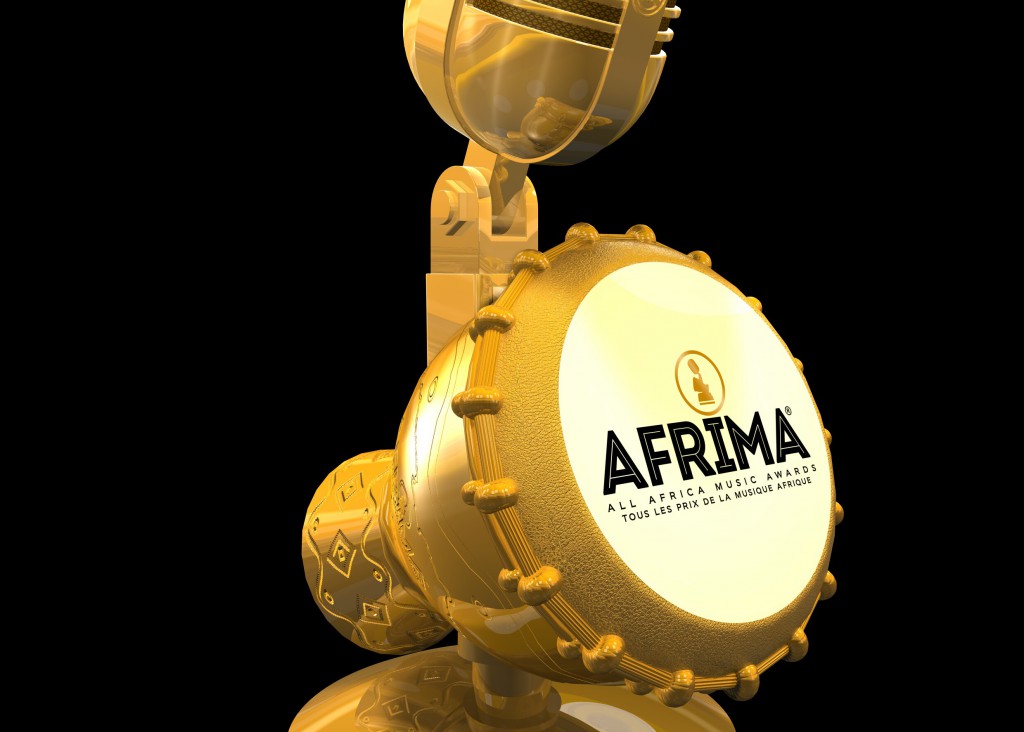
The All Africa Music Awards (AFRIMA) and the British High Commission in Nigeria have entered into a cultural partnership aimed at boosting creative exchange, strengthening cultural ties, and opening more international doors for African music as the 9th AFRIMA Awards is set to hold from January 7-11, 2026.
The collaboration, formalised through a newly signed Cultural Cooperation Agreement, also affirms that the British Deputy High Commission in Lagos will co-host the Welcome Soirée for the Nominees and Guests in Lagos, the official opening event of the 9th AFRIMA Awards Week.
The exclusive gathering will take place on January 7, 2026 and in attendance will be AU officials, AFRIMA delegates, jury members, international guests, nominees, creatives, and media professionals for an evening of networking and cultural connection.
Unarguably, Africa’s global music awards, the 9th AFRIMA, is organised by the International Executive Committee of AFRIMA in partnership with the African Union Commission and the Lagos State government as the Official Host City.
Speaking of the partnership, AFRIMA’s Chief Experience Officer (CXO), Mr Adenrele Niyi, described the collaboration as a strategic move to deepen cultural diplomacy through music.
“This partnership reflects AFRIMA’s mission to position African music as a global force,” she said. “Beyond the awards, we are committed to building spaces where creativity meets opportunity and where African talent can confidently engage the world. Working with the British High Commission expands our platform for industry innovation, collaboration, and meaningful cultural exchange.”
Mr Niyi added that this edition of AFRIMA will place strong emphasis on strengthening global creative-industry relationships.
“Partnerships like this show just how relevant African music has become on the world stage. We’re honoured to collaborate with such an important institution, and we believe the impact will go far beyond 2025.”
The agreement, signed by Mr Gill Lever OBE, Chargé d’Affaires, British High Commission Nigeria, aligns with the UK’s ongoing support for Nigeria’s creative industries through enhanced cultural exchange and innovation.
She said, “The UK is delighted to partner with AFRIMA to celebrate the extraordinary creativity and talent of Africa’s music industry. This collaboration reflects our commitment to strengthening cultural ties between the UK and Nigeria, and across the African continent. Our Jollof and Tea campaign has shown us the power of bringing people together through culture, and we’re excited to build on that spirit. We look forward to a week of celebration that showcases the very best of African music and opens new doors for creative exchange and collaboration.”
Across the five-day celebration, the 9th AFRIMA will deliver a lineup of key events including the Diamond Showcase (January 7–8), the Africa Music Business Summit (January 8), Host City Tour and CSR Visit, the Music Village Concert (January 9), the Nominees & Industry Party (January 10), and the Red Carpet and Grand Awards Night (January 11). The awards ceremony will be broadcast live to more than 84 countries, ensuring the excitement reaches audiences around the world.










-
 Feature/OPED6 years ago
Davos was Different this year
-
Travel/Tourism9 years ago
Lagos Seals Western Lodge Hotel In Ikorodu
-

 Showbiz3 years ago
Estranged Lover Releases Videos of Empress Njamah Bathing
-
 Banking7 years ago
Sort Codes of GTBank Branches in Nigeria
-

 Economy3 years ago
Subsidy Removal: CNG at N130 Per Litre Cheaper Than Petrol—IPMAN
-

 Banking3 years ago
First Bank Announces Planned Downtime
-

 Banking3 years ago
Sort Codes of UBA Branches in Nigeria
-

 Sports3 years ago
Highest Paid Nigerian Footballer – How Much Do Nigerian Footballers Earn